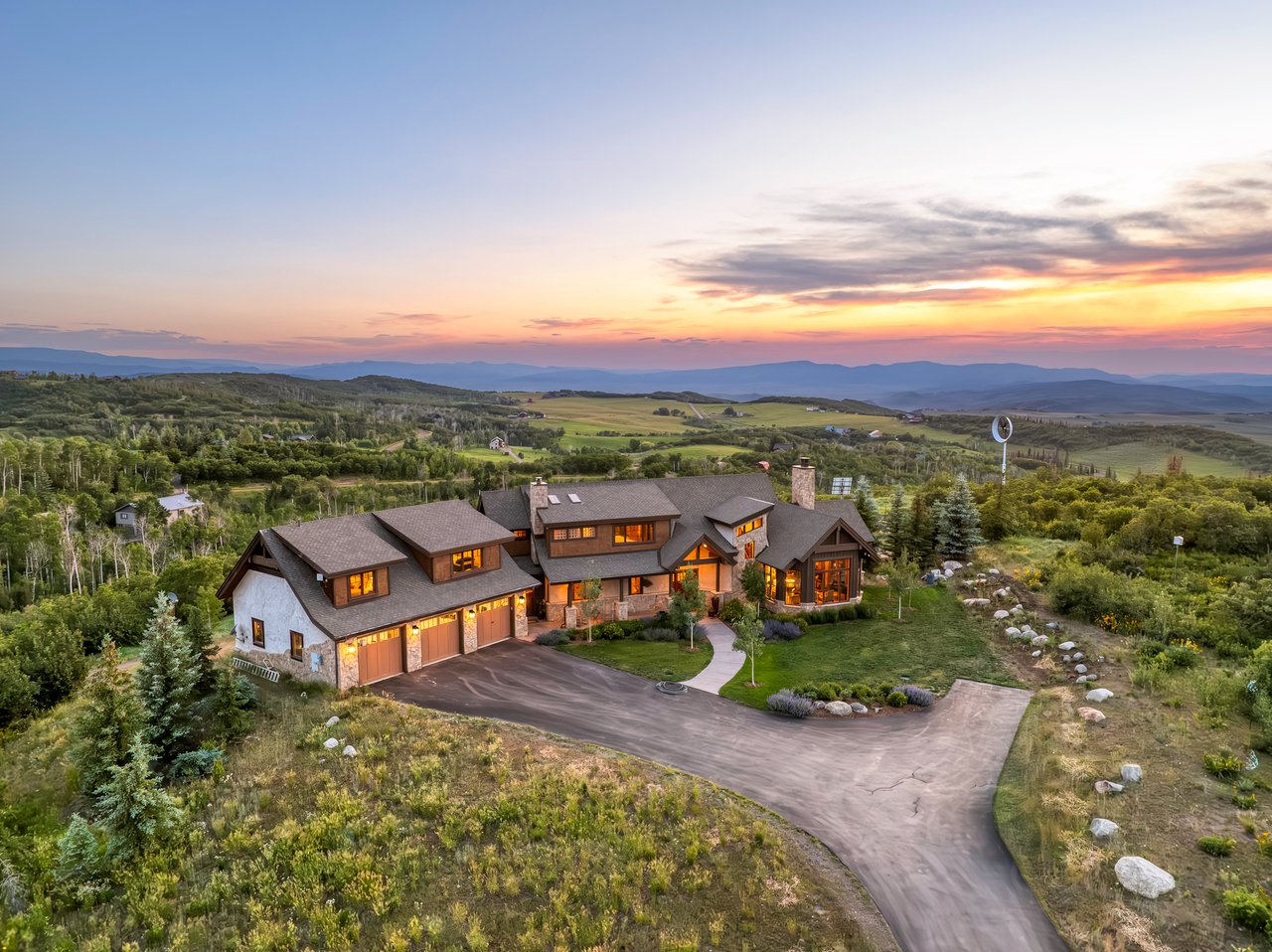
Built for the Horizon: The Art of Engineering 33250 Ravenswood Lane
Real Estate Nicole Montgomery September 1, 2026
Real Estate Nicole Montgomery September 1, 2026
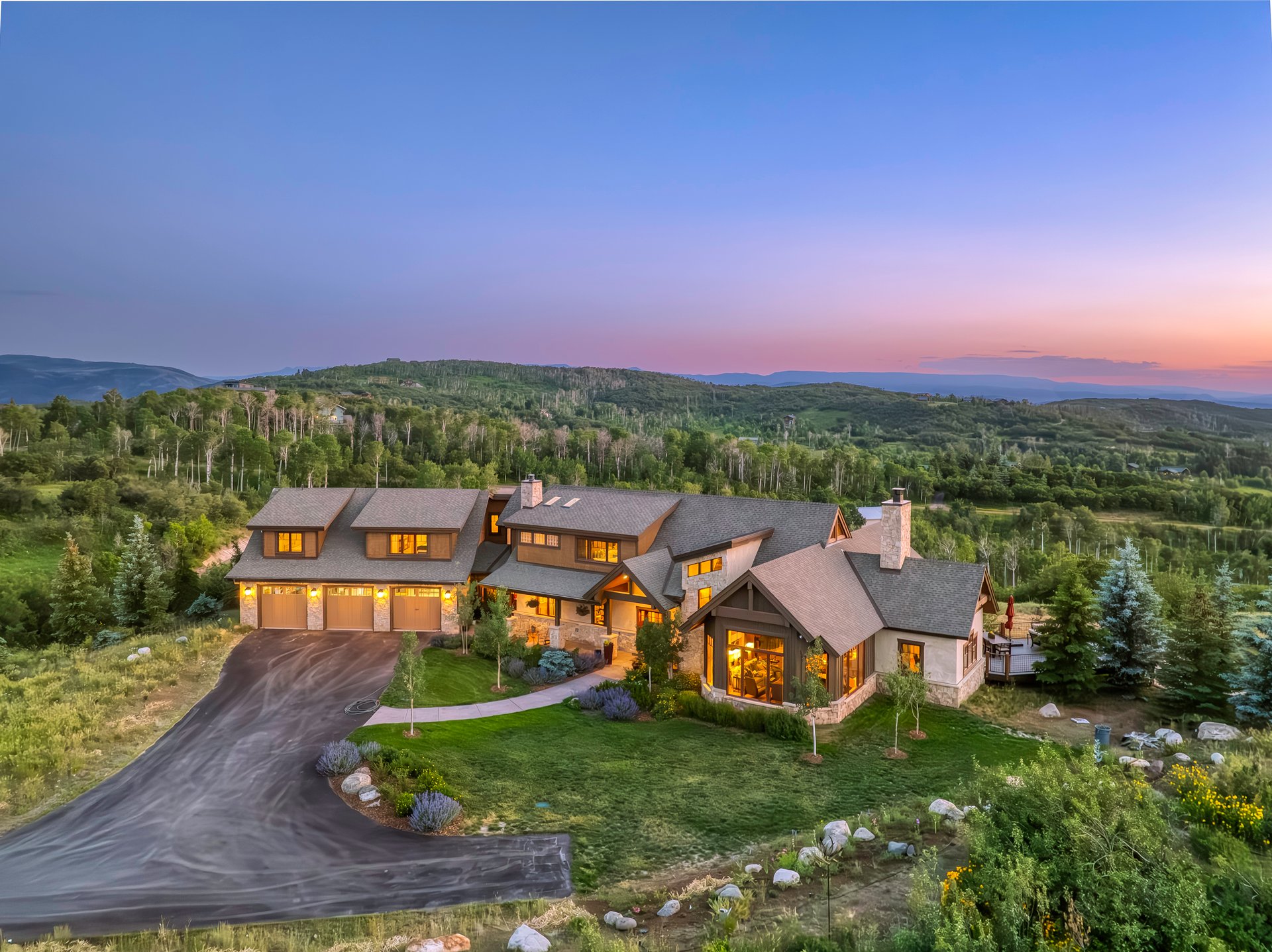
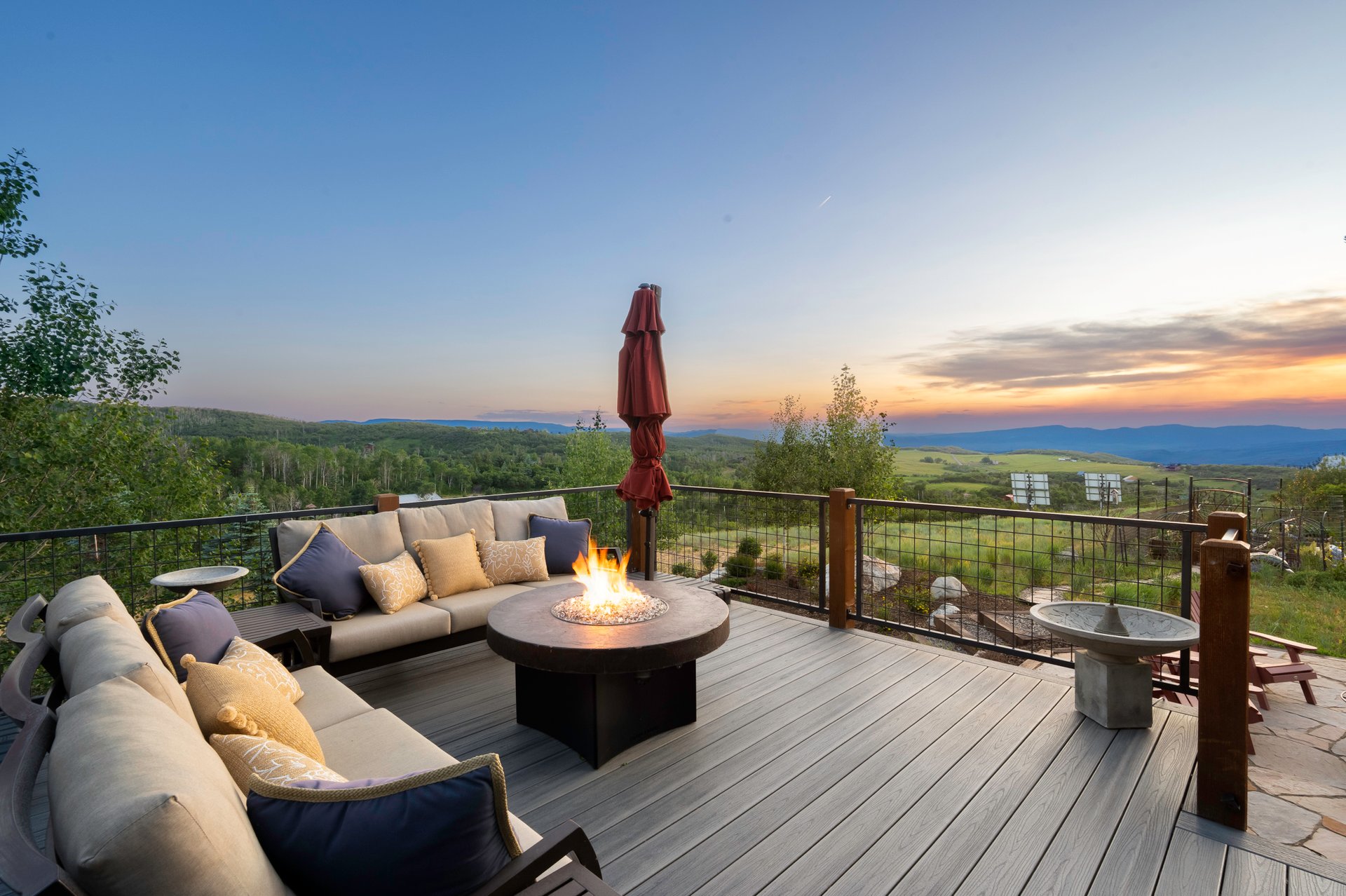
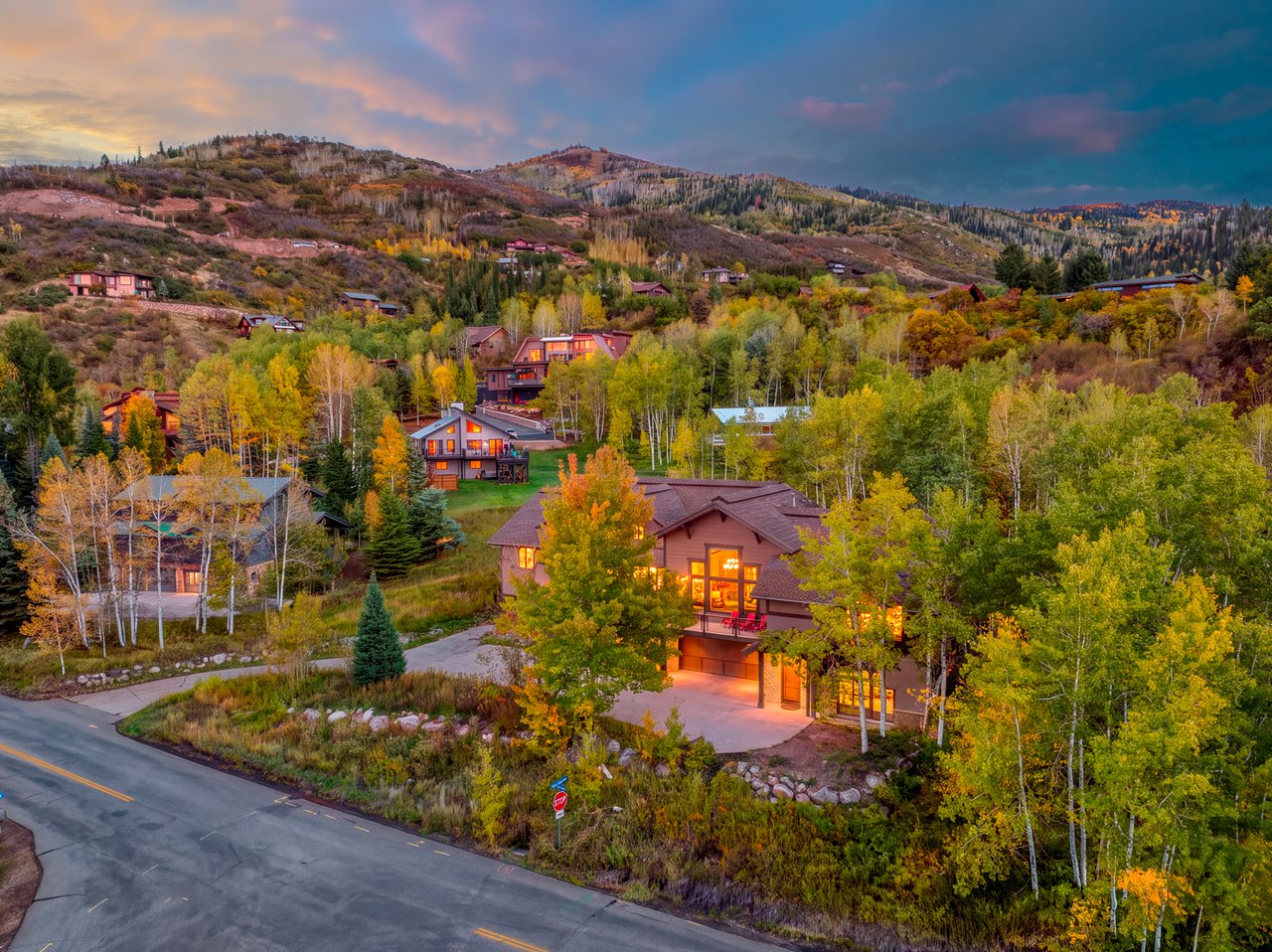
Set above Steamboat’s South Valley in Whitewood, 33250 Ravenswood Lane commands nearly eight acres of privately sited hilltop with 360-degree views stretching from the Steamboat Ski Area to the Zirkel Mountains. Sunrise and sunset views are unobstructed, framed through vaulted glass and timber from nearly every room.
When owner Robert Dowski found the homesite from afar, he was searching for more than acreage and privacy. He was looking for a rare convergence: direct solar exposure from dawn to dusk, the open ground required for a geoexchange field, and the elevation necessary to support wind generation. Very few, if any, parcels in the region offered all three.
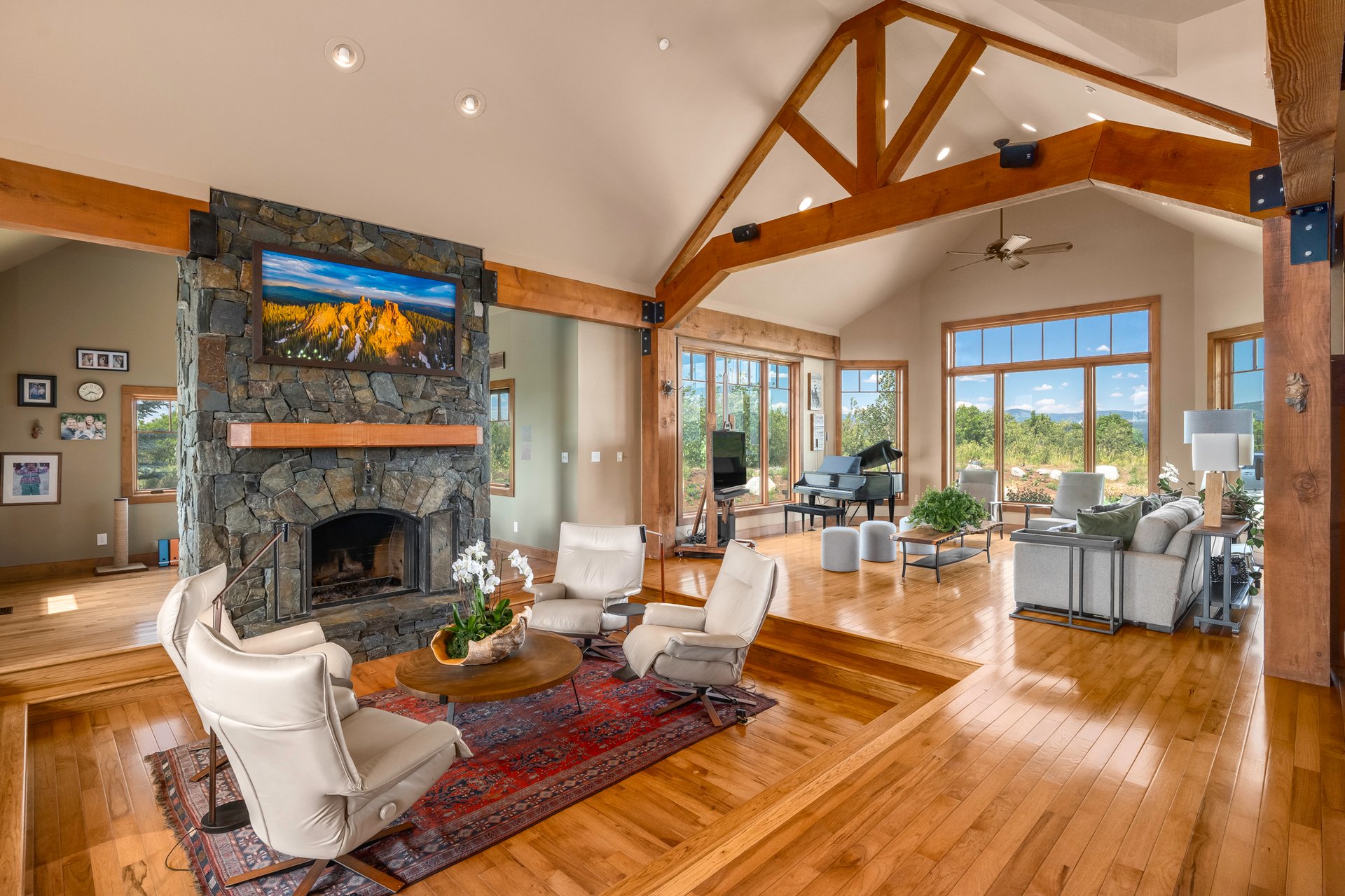
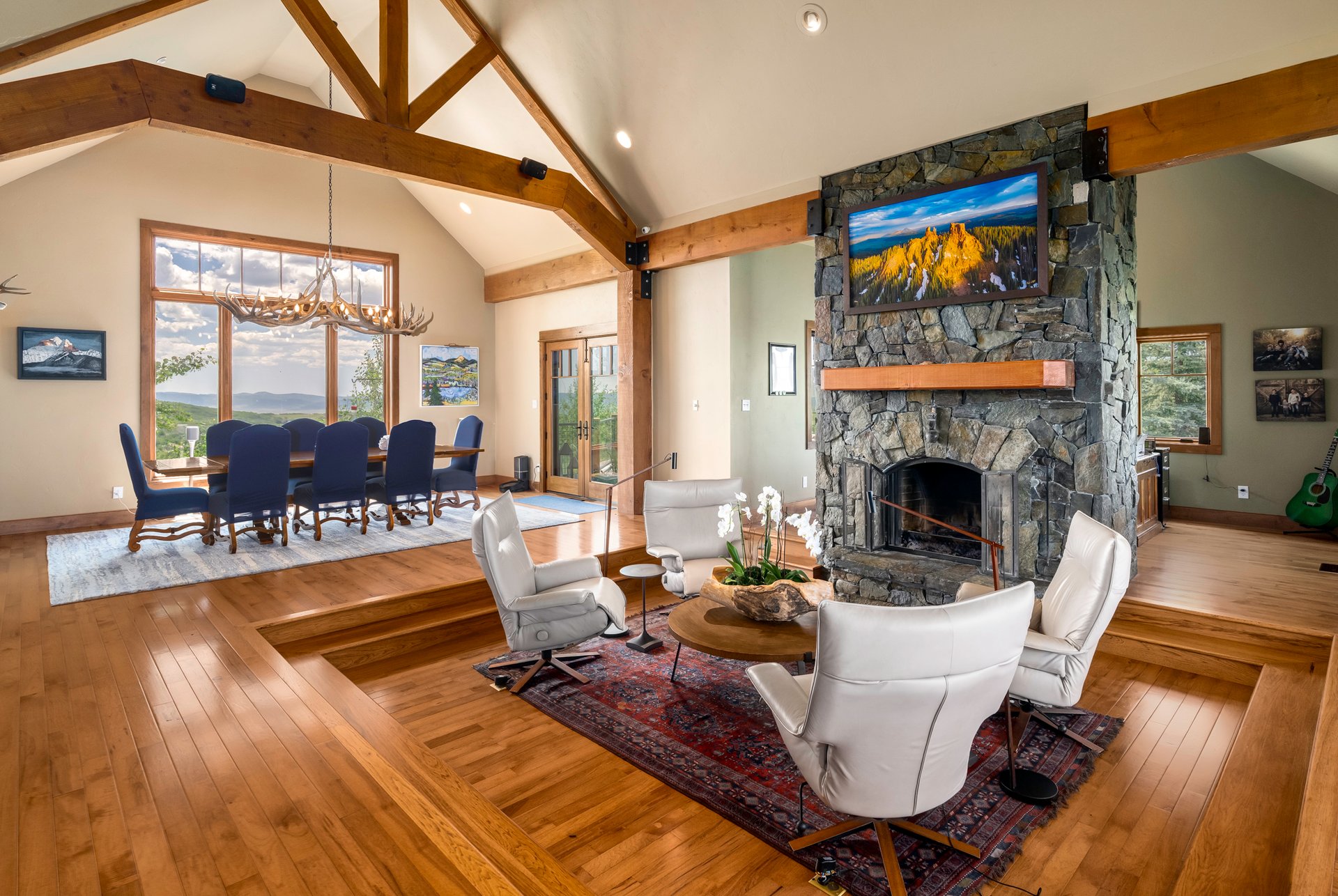
Robert worked with architect Jan Kaminski of Mountain Architecture Design Group to envision a 6,860-square-foot residence that pairs dramatic mountain architecture with a level of infrastructure rarely executed at this scale. Soaring ceilings and clerestory windows draw the landscape into a great room anchored by a floor-to-ceiling Pennsylvania bluestone fireplace and sunken lounge. Two primary suites define the main living quarters, while a separate three-bedroom guest wing above the garage functions as a private lock-off retreat.
Designed to host as comfortably as it lives, the lower level features a gym, game room, and theater seating up to 12. Dual decks oriented for daily sun and western sunsets extend entertaining outdoors.
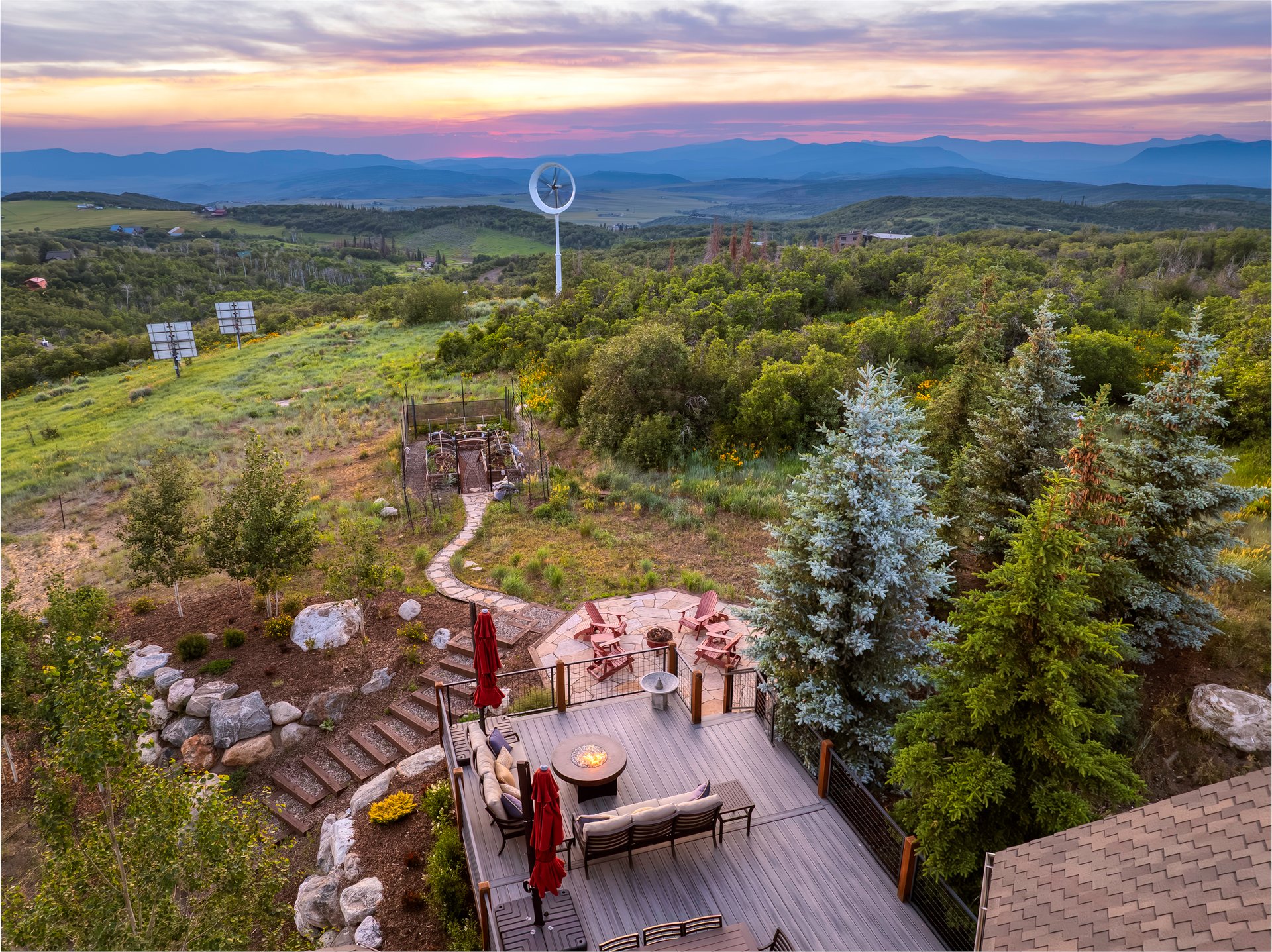
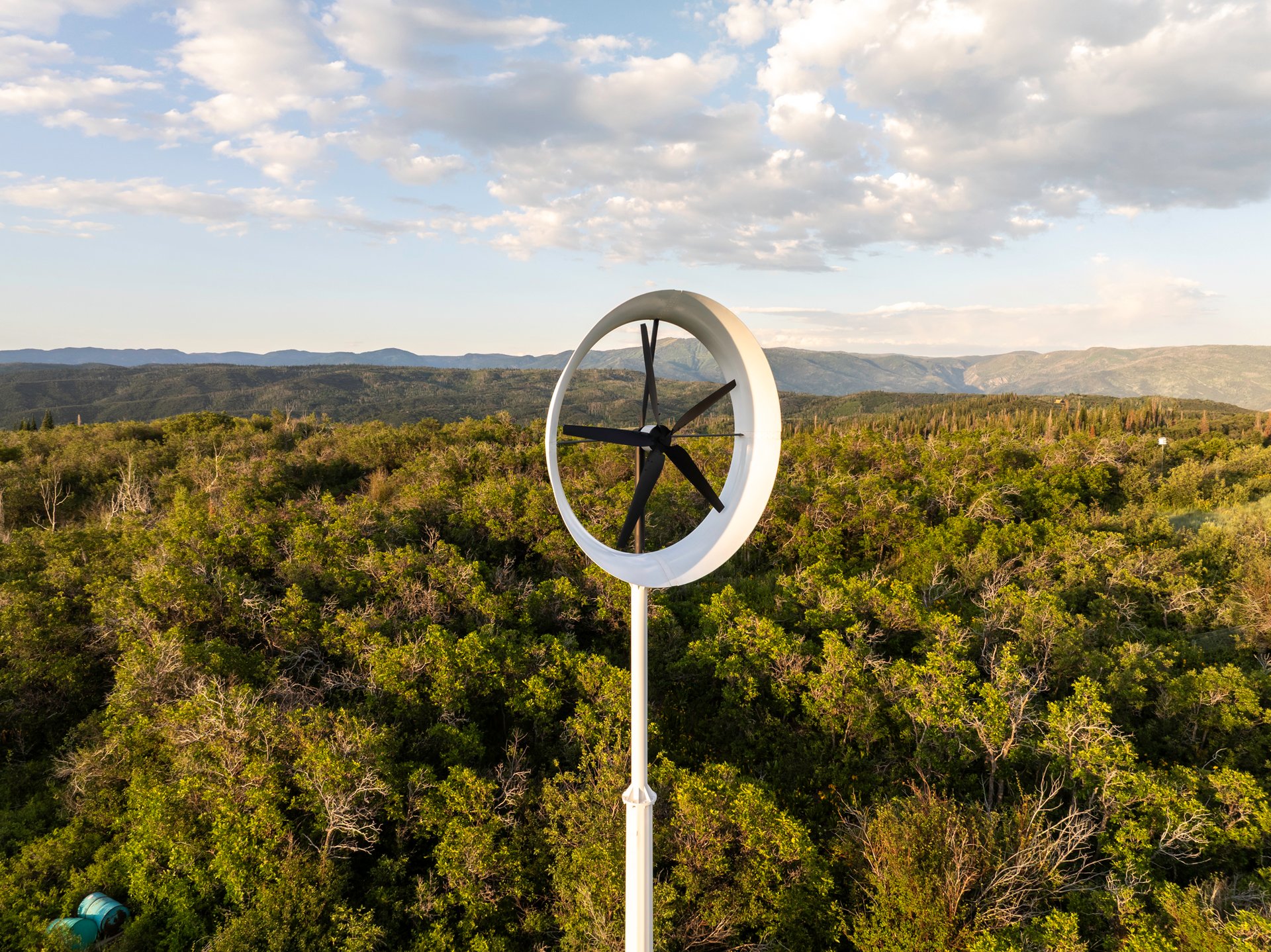
Beyond the visible architecture lies the home’s deeper distinction: geoexchange heating and cooling, solar arrays mounted on trackers that follow the sun, a wind turbine, commercial-grade mechanical systems, and advanced air filtration and humidification designed for year-round health and comfort.
We asked Robert to walk us through the thinking behind the site, the design, and the locally maintained systems that quietly power the home.
Q: What initially drew you to this particular hilltop site?
“It was the only lot that I was able to find that had a direct view of sunrise and a direct view of sunset. When I say a view, I mean a straight shot, a 40-mile view. That optimized the amount of solar power you would get. In other areas in Steamboat, you lose three or four hours of sun because the hills and mountains block the sun either at sunrise or sunset.
I wanted a hilltop location. I wanted someplace that would be unobstructed for the wind turbine. Wind predominantly here comes from the west, northwest, and southwest. The site also had to have a level building lot and enough space to do the geoexchange. You need a football-field-size area for the trenches and to get the geoexchange system to work properly. There were a lot of sites that didn’t meet that criteria. This one turned out to be perfect.”
Q: How did the site influence the architecture and daily experience?
“Both from the primary bedroom and from the main great room, you can just sit and watch the sunrise and sunset. It’s pretty spectacular. During the day, the site takes advantage of the prevailing winds from the west and northwest, which is where the wind turbine is located.
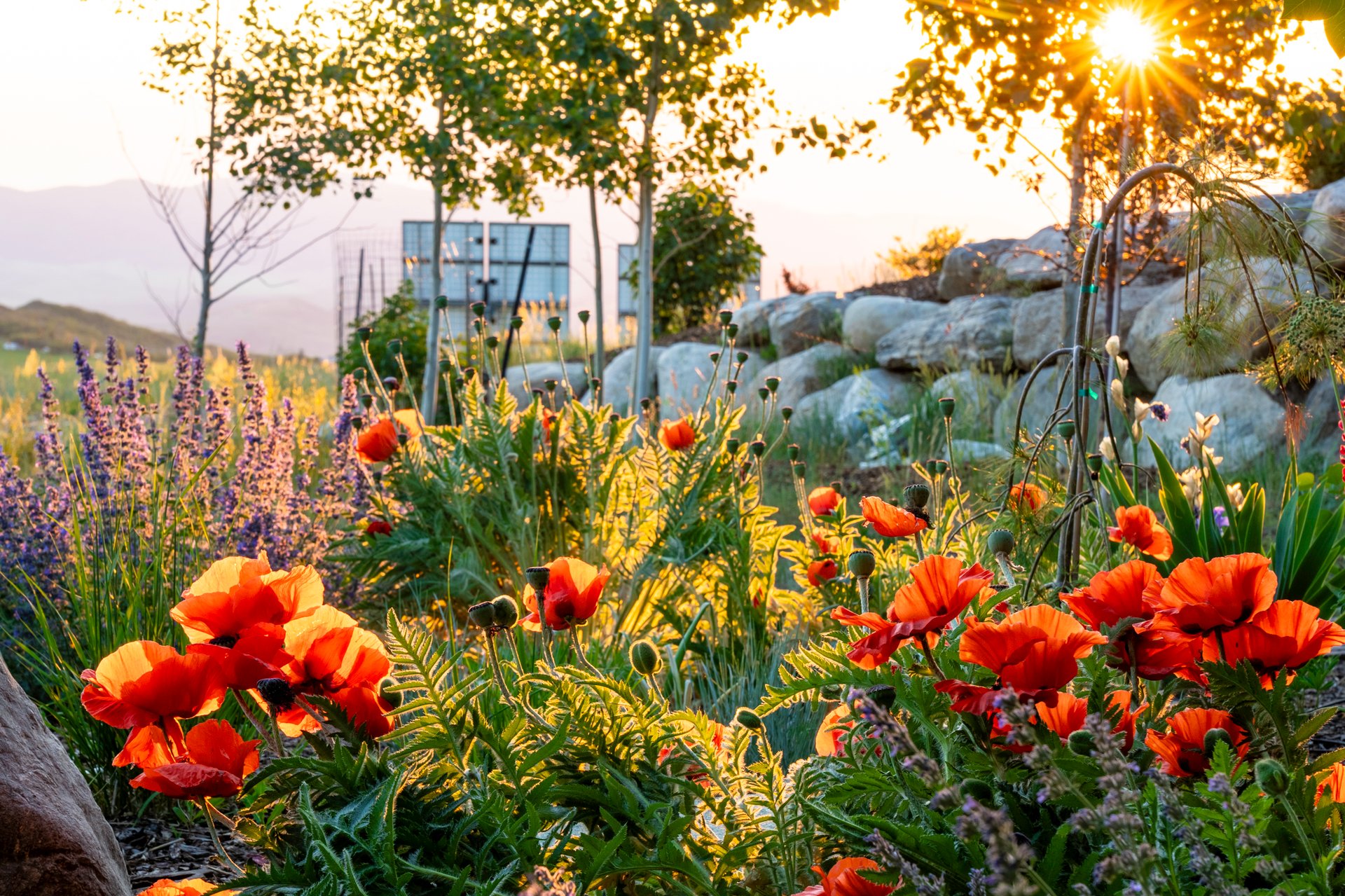
The renewable systems are positioned for maximum output. The solar panels are situated to take advantage of sunrise and sunset. They’re on trackers, and the panels actually move and change their pitch depending on the season to optimize the amount of power they produce. If you have fixed panels versus panels that are on trackers, you lose about 45 percent of the energy the sun generates during the day simply because you don’t follow the sun from sunrise to sunset. These are much more efficient.”
Q: What were your nonnegotiables? What did the house need to do beyond being efficient and beautiful?
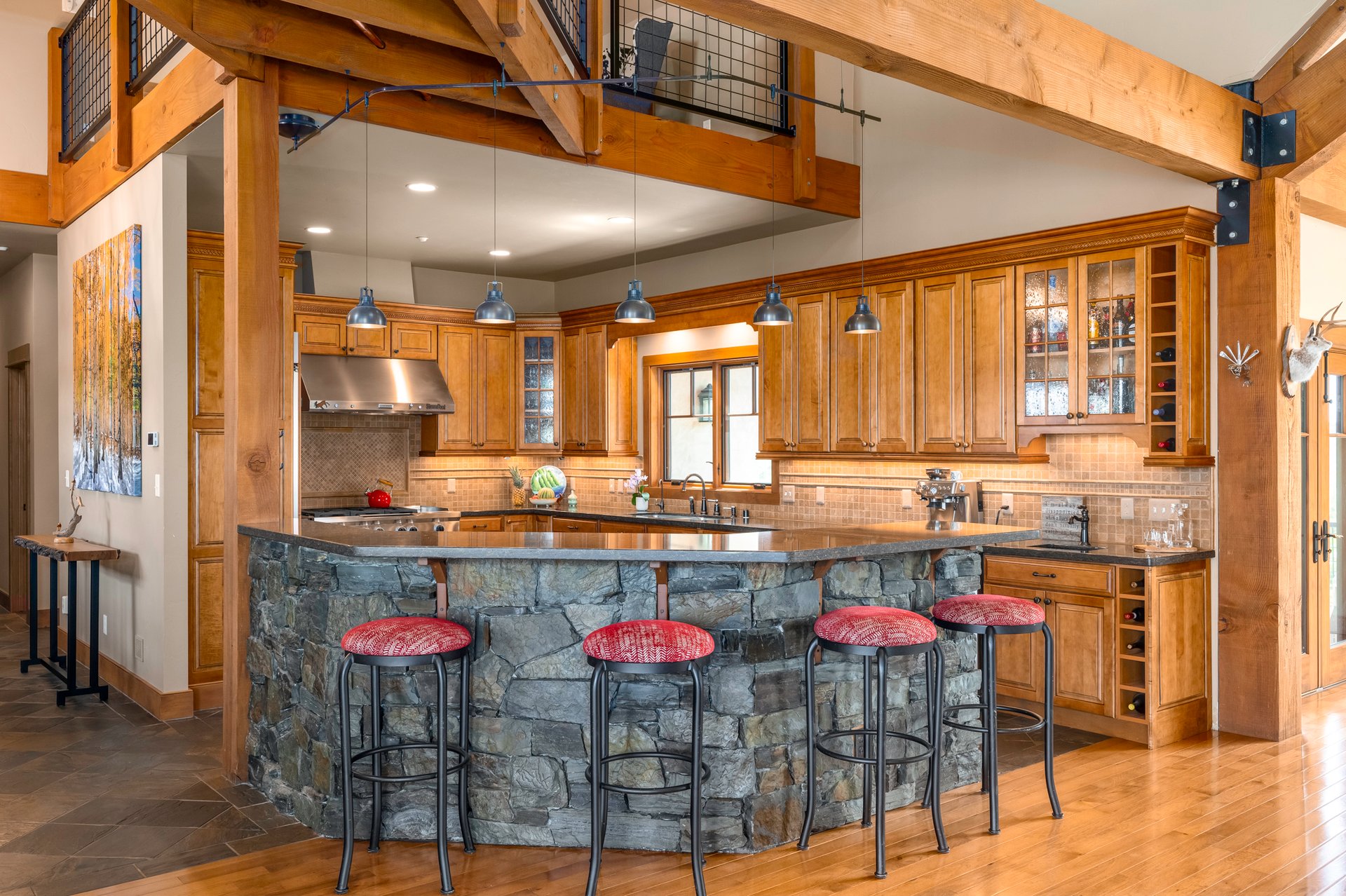
“It was designed really for entertaining. We had two primary suites in the main part of the house, a large kitchen, and large areas for entertaining upstairs and downstairs in the main house. The other area above the garage was really meant to function like a hotel, with three bedrooms, two baths, and a separate entrance, so visitors can come and go. We could, in theory, lock that area off from the rest of the house.
The idea was to host 15 guests, which we can comfortably accommodate. We’ve had as many as 22. The kitchen was designed for entertaining, with a service area where a caterer can work efficiently. We’ve had as many as 125 people over for different functions. We hosted musical events, a string quartet from Denver played in the sunken area by the fireplace, and we cleared out furniture for seating, almost like an amphitheater.”
Q: How are the outdoor spaces used for entertaining?
“We added another large deck for sunset happy hours. It’s positioned facing west and is probably the most scenic sunset happy hour you’ll see in Routt County. There’s a smaller deck off the kitchen that’s more sheltered, and then a stone patio below for s’mores by the fire and the in-ground, 12-person hot tub. It gives you different ways to use the property depending on the season.”
Q: Materials were clearly considered, from the Pennsylvania bluestone to the travertine. How did those decisions come together?
“It was through collaboration with the architect and subcontractors. The idea for the Pennsylvania bluestone came from the mason, Jeff Kortas, and his dad. They built the fireplace and did the interior stonework. The outside stone is Colorado buff sandstone, hand-laid in a dry-stack fashion.
We came up with the idea of doing something different inside and used a vendor out of the Vail Valley to source the bluestone, which came from Pennsylvania. The travertine was from an importer in Denver. I’ve worked with that material before, and it’s really nice to work with.”
Q: The infrastructure is unusually robust. What was your guiding philosophy when it came to mechanical and energy systems?
“The idea was to be able to support a guest load of 15 to 20 guests at a time. We wanted a water system that would support that level of activity simultaneously, so you didn’t have to tell people to wait to shower.
We went to A.O. Smith and settled on two high-capacity, high-efficiency propane-fired water heaters that they typically use in laundromats. You can run all six showers, the washing machine, and the dishwasher simultaneously without losing pressure or hot water. At the time, Taber Plumbing said it was the first system like that they had ever seen installed in a residential home in Routt County. It’s more of a commercial configuration.
The second issue was having enough water and sufficient pressure. We put in a cistern that holds about 2,500 gallons. The well pumps into the cistern, and then there’s a separate high-pressure pump controlled in the house. You can turn the water pressure up when you have guests, then back down again. Most homes don’t have that level of control.”
Q: Many of your choices are health-driven. Tell us about the health-minded systems.
“You have steam humidification and electronic air cleaning, and you can maintain about 32 to 34 percent humidity inside the house in the winter. It makes it much more comfortable than typical winter air that isn’t humidified. The air is constantly filtered, so you tend to have less dust and fewer allergens, resulting in a very clean environment.
In most modern homes, code requires a source of fresh air coming into the house. We put that on steroids. Instead of a small pipe, we installed a commercial air exchanger that can change the air in the house every 20 minutes. The system can work with MERV 18 or MERV 20 filters. I’ll guarantee you there’s only a handful of houses in Routt County that have that capability.”
Q: Was sustainability the starting point, or did it evolve as the project developed?
“It evolved. It started with the geoexchange system, and given the location of the lot, I’d always wanted to do solar and wind. I didn’t know which one would work better, so I wanted to do both and then add more of what worked best, which is clearly solar.
It’s an extremely low-carbon footprint home for its size. Between the energy efficiency of the house and the wind, solar, and geoexchange as the source of heating, you’ve got a very efficient system for a lot of square footage.”
Q: You designed the home to operate seamlessly even when you’re not here. What does that look like in practice?
“Everything was designed to operate remotely or automated from inside the house. All the thermostats and zones can be controlled remotely. There’s an app to monitor the water in the well tank. There’s a leak detection system with water sensors under each sink and an automatic shutoff valve. We have a home security and fire detection system, and a camera system that provides outside views of the perimeter of the house.
Q: The landscaping is established and mature. How did you plan for long-term resilience?
“The first pine trees we planted haven’t been watered in over 10 years. The aspen trees are established and thriving. We have a wildflower garden and another garden surrounded by an eight-foot fence.
Whatever you plant requires support during the first two or three years, and we’ve already done that. That drove the need for irrigation early on. Almost all of it is drip irrigation, which is very efficient. You put the drip lines down and cover them with mulch so the water you put on the plant stays on the plant.”
Q: After living here, what has proven most meaningful over time?
“The layout of the house is very efficient for entertaining and hosting large groups of guests. And all the systems we put in support it seamlessly. For a nearly 7,000-square-foot home with this level of infrastructure, it performs extremely well. If someone wants a large home that can comfortably host 15 to 20 people, with a gym, theater, game room, and hot tub, and also cares about a low carbon footprint, this is the house. It has the flexibility to lean more efficient or more health-focused depending on how you operate it.
As far as I know, there isn’t another house in Routt County that checks all of these boxes.”
33250 Ravenswood Lane is offered at $4,550,000. Contact listing agents Chris Paoli and Kenny Reisman to schedule a private tour.
Stay up to date on the latest real estate trends.

Lifestyle
Free early-season skiing for kids, a new green run named for a Steamboat legend, and a guided day built for heli-ski ambitions lead what's new at Steamboat for 2026/27.
Real Estate
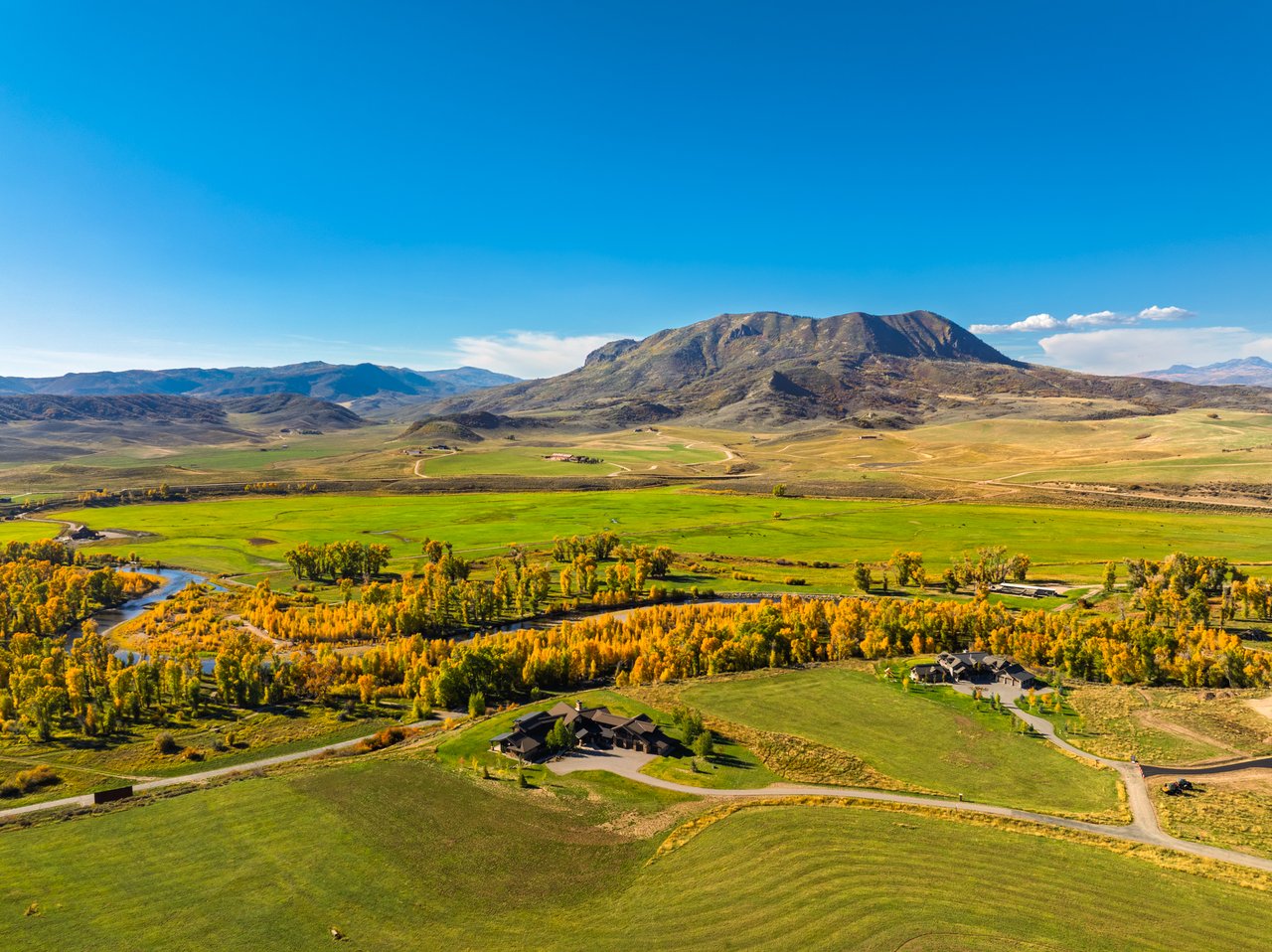
A look at Steamboat Springs homes in their fall setting, from Marabou Ranch to the Stampede ski run.
Lifestyle
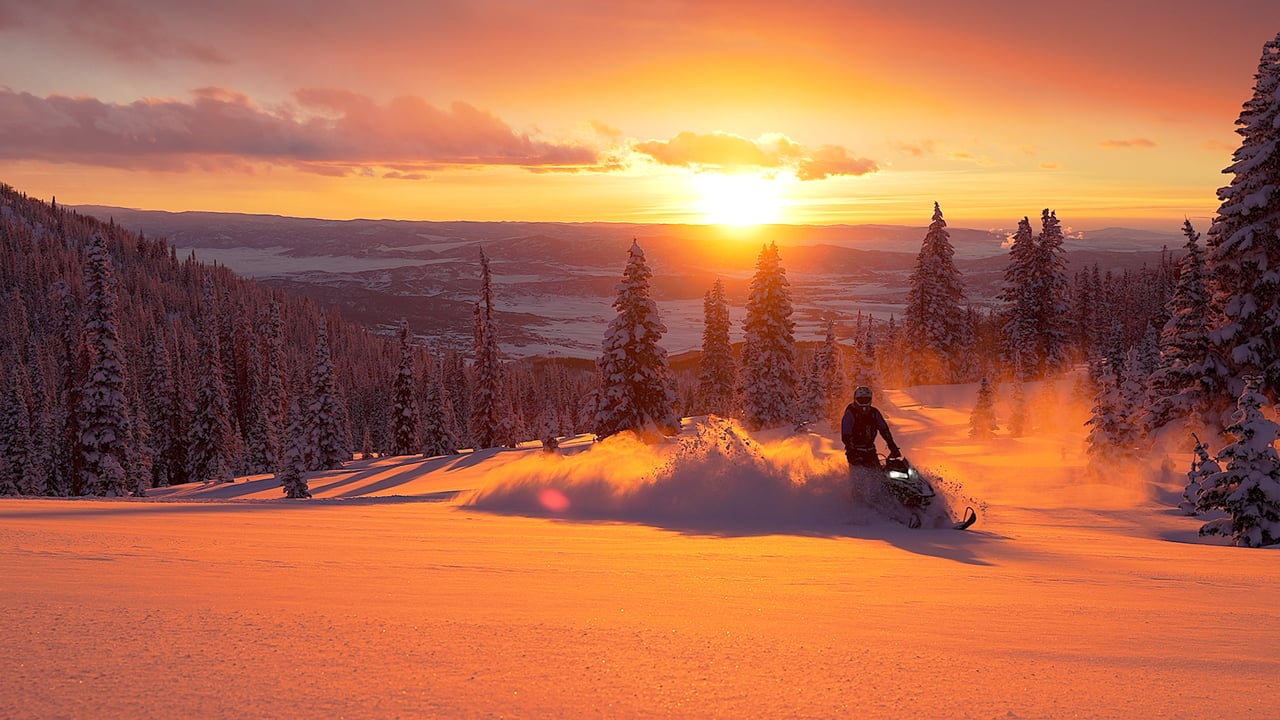
Snowmobile routes, Nordic trails, and hot springs, plus the Steamboat homes that put them within easy reach.
Market Insight
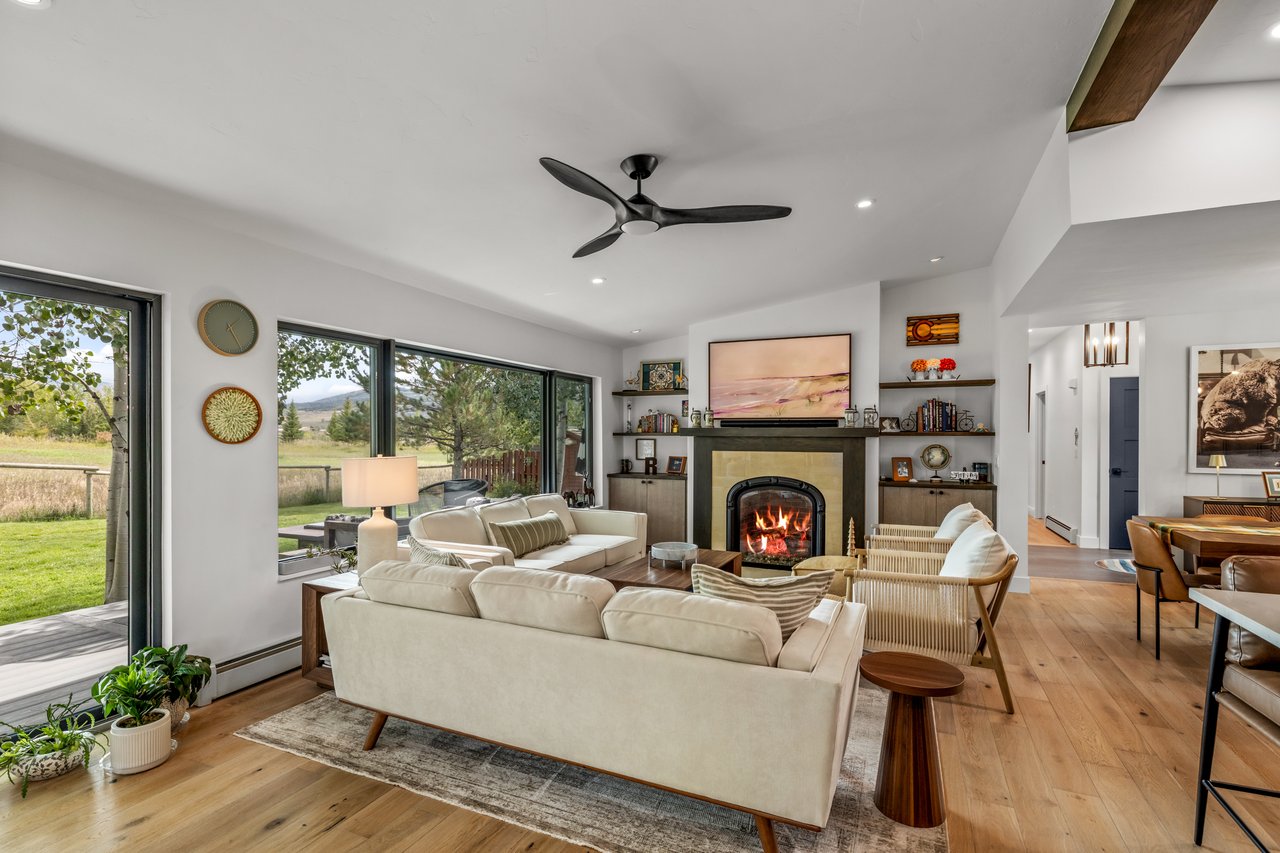
From a creekside refresh to a downtown addition, six Steamboat listings where the updates are already in place.
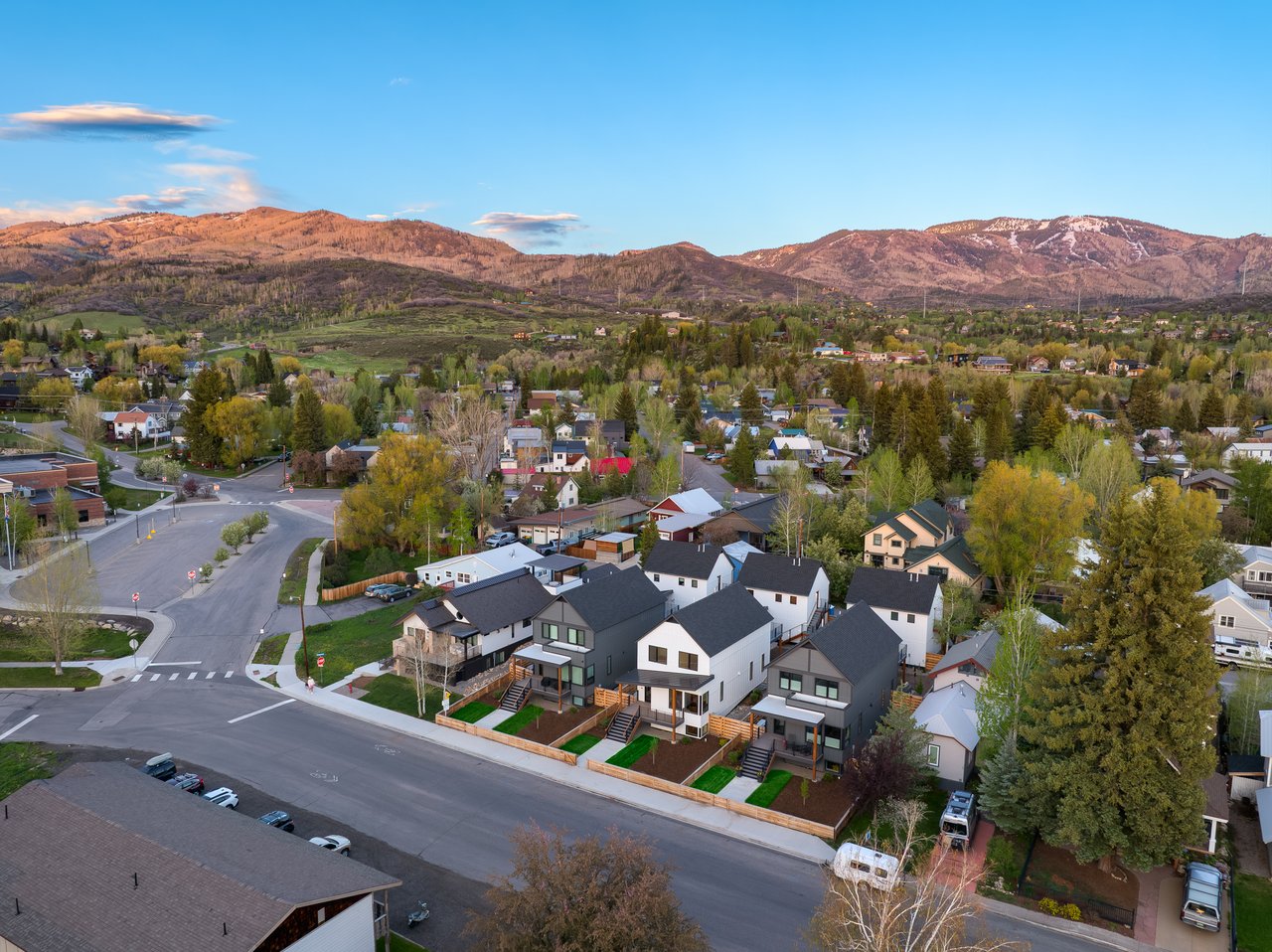
New Development
Three new downtown homes, three closings, and a look at what MR Homes is building next across Steamboat Springs.
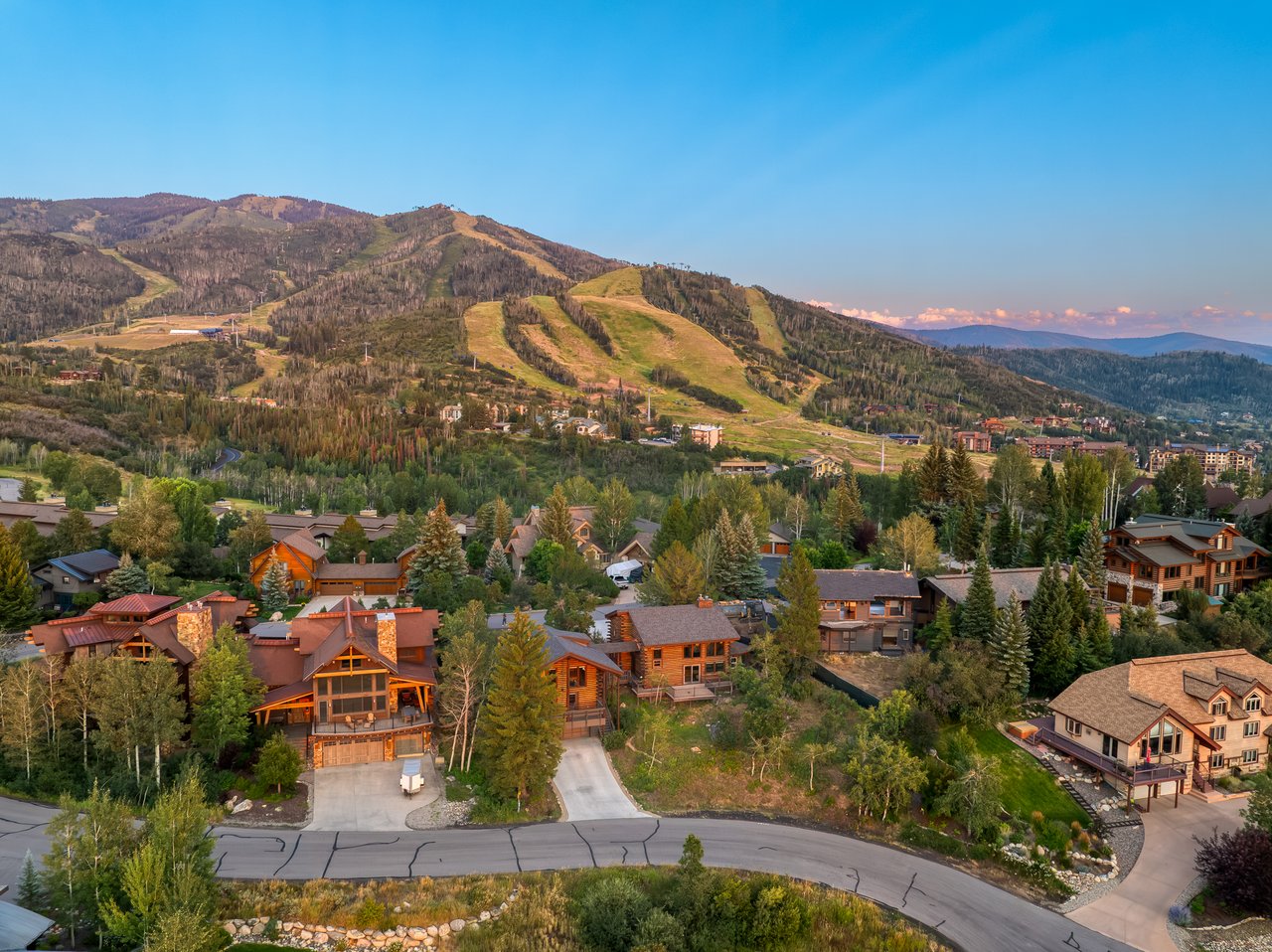
Real Estate
From near-mountain homes to newly built townhomes, how long-term rentals fit a 1031 exchange in Steamboat Springs.
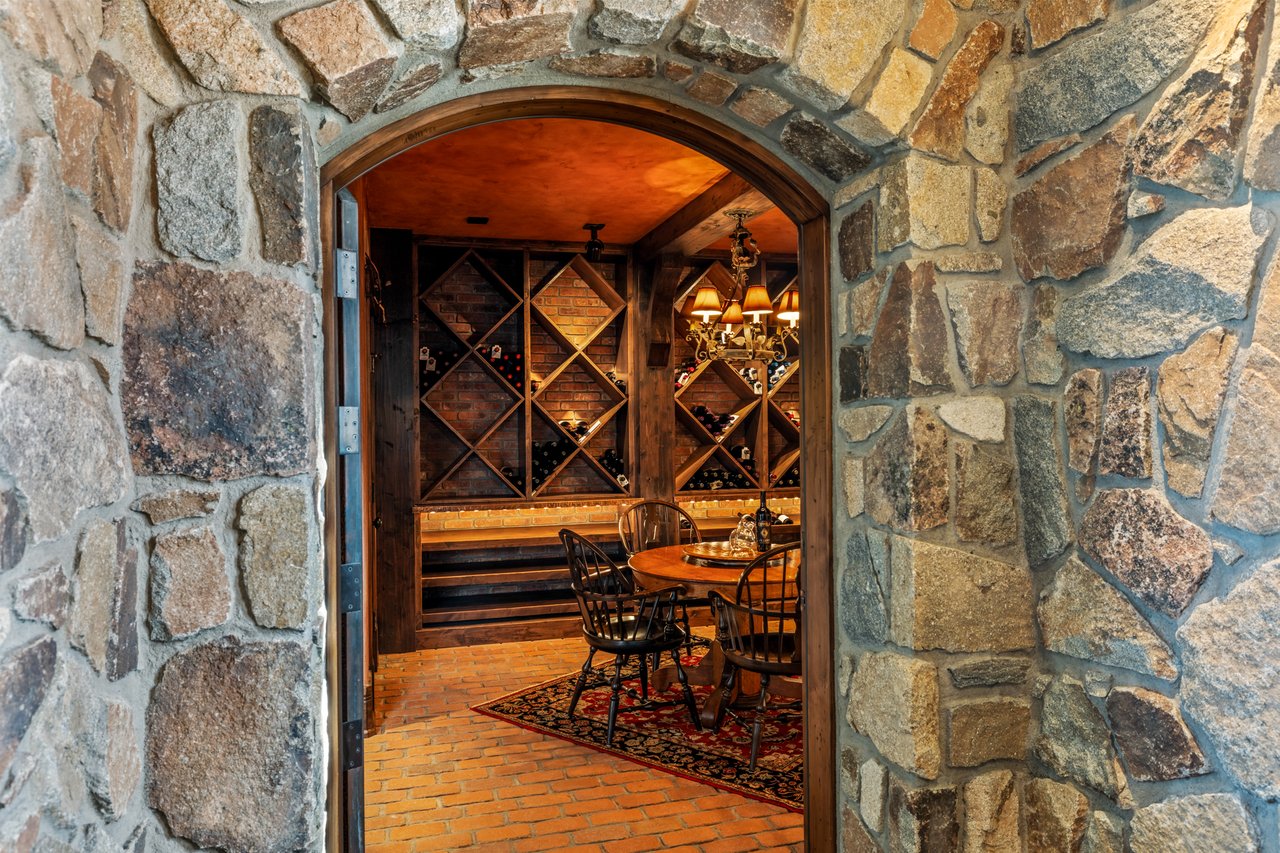
Real Estate
From a brick-walled cellar reached by stone bridge to a New Orleans-inspired bar, at these Steamboat homes, the wine has a room of its own
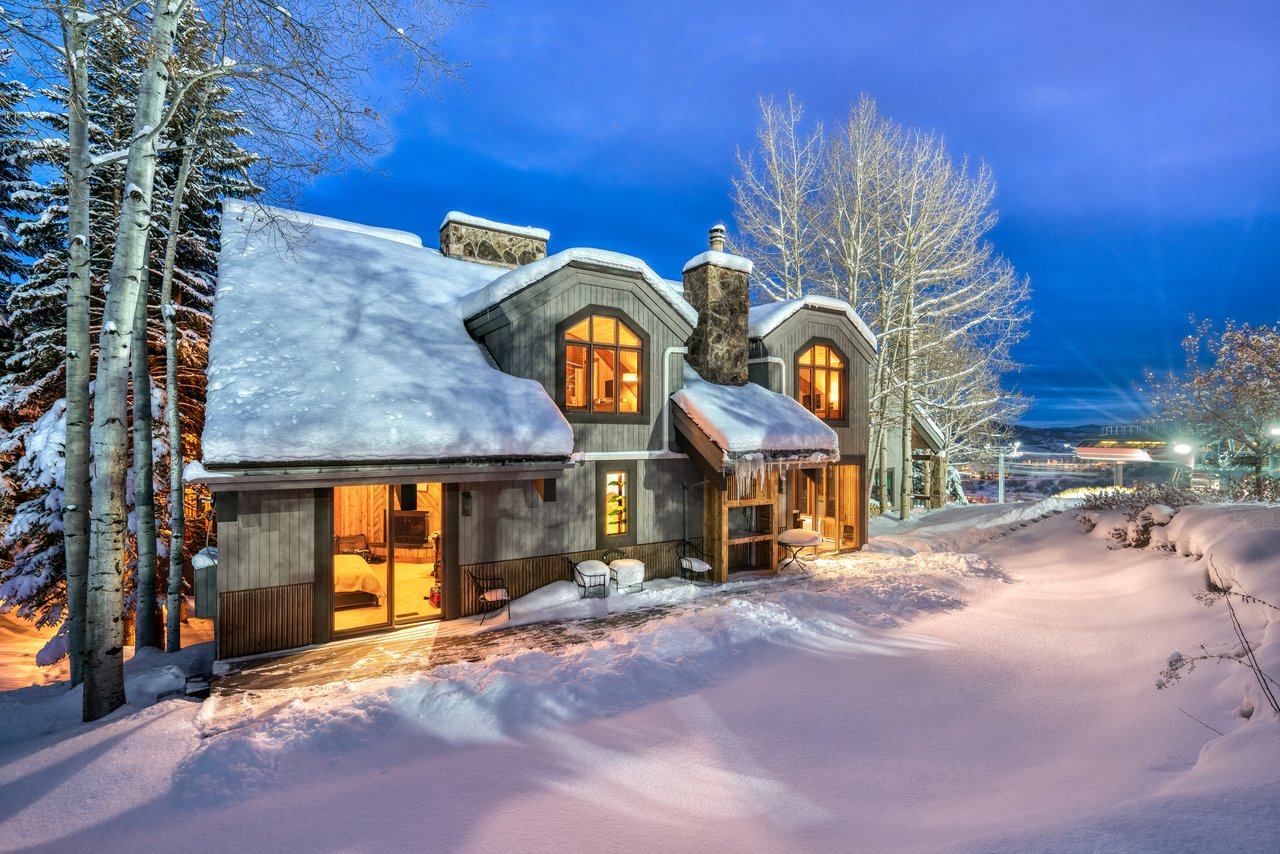
Real Estate
From ski-area condominiums to leased space downtown, a look at how a 1031 exchange works in Steamboat Springs and the properties suited to one.
Real Estate
Slopeside, hillside, and 40 acres outside Oak Creek: the season's newest listings across Steamboat and South Routt
Experience a level of service that goes beyond transactions. Reach out to our dedicated team today and discover how we combine local insights with innovative solutions to create exceptional real estate experiences in The Agency Steamboat Springs.