What Really Counts as Ski-In Ski-Out in Steamboat
November 14, 2025
November 14, 2025
Is every “ski-in/ski-out” listing in Steamboat really ski-in/ski-out? If you have ever arrived excited to click in by your door and found yourself walking across a parking lot in ski boots, you are not alone. In Steamboat Springs, the phrase gets used in different ways, and the details matter for your lifestyle, your guests, and your resale value. In this guide, you will learn what truly counts, what is common in Steamboat, and how to verify claims before you buy or sell. Let’s dive in.
Not all “ski access” is equal. Here are the common gradations you will see in Steamboat and how to interpret them.
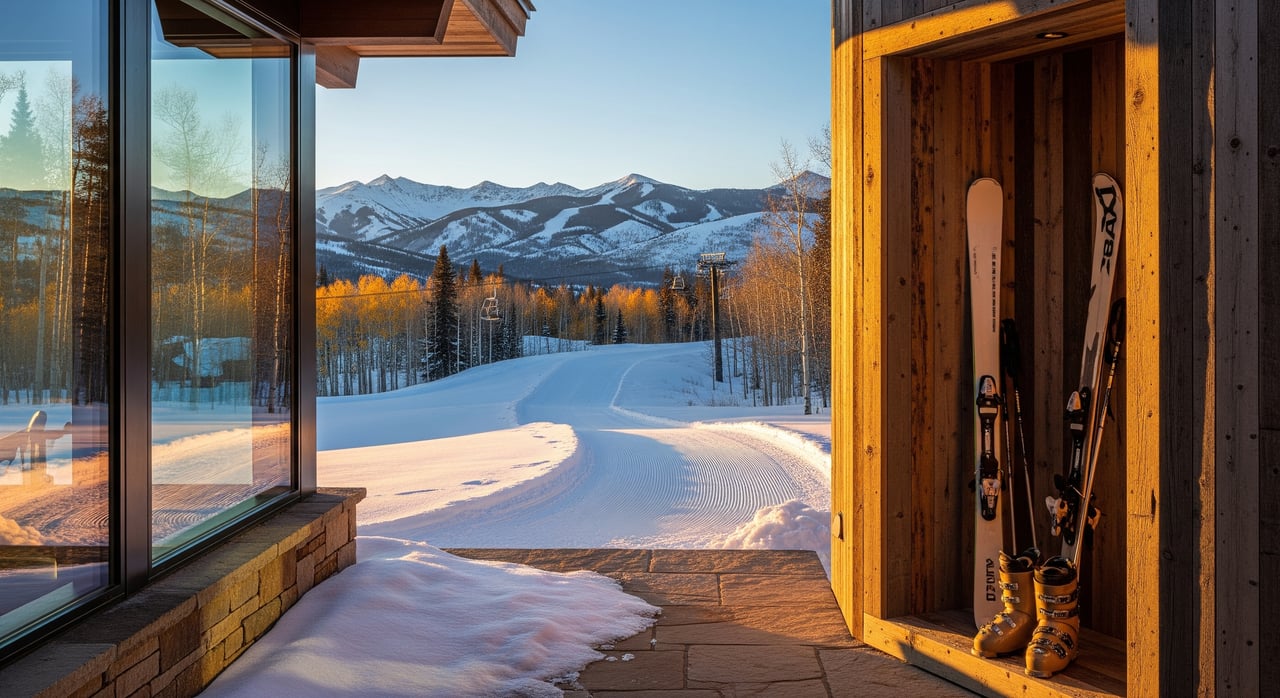
This is the literal standard. You can ski from maintained skiable terrain directly to your building or doorstep and, from the door or immediate platform, step onto skiable terrain to head out. There is no road or vehicle crossing and no meaningful walking in boots. When you remove your skis, you are at your door.
You can ski to very near the building, but expect a short flat or slightly uphill walk, a brief groomed connector, or a small road or driveway crossing. Many base-area condos or townhomes fall in this category, where a groomed path or paved link connects you to a named run or connector trail.
The property is a short walk to lifts or runs. This might include crossing a plaza, moving through a parking area, or using a resort shuttle. You do not have a direct ski link from the building.
“Ski-in/ski-out” is a marketing phrase that gets applied loosely. Expect gradations. If the claim matters to you, treat it like a feature to be verified with maps, documents, and an in-season visit.
Steamboat Ski Resort has a base area with two gondolas, a high-speed lift, and a web of named trails and connectors. That design creates pockets where buildings sit beside runs and other pockets where roads or private parcels interrupt a direct ski line.
On-mountain condos and townhomes near the base or mid-mountain can offer true or near-true access. Base area hotels or “ski village” buildings often deliver very easy ski-out, while ski-in may require crossing a plaza or a short walk. In the valley and surrounding neighborhoods, listings are often “close to the lifts” or “ski adjacent,” typically with shuttle or drive access. Private homes on platted ski easements do exist, though they are less common and rely on recorded agreements.
Seasonal and operational realities also matter. Early or late season, links that depend on man-made snow or a specific connector opening may not be viable. Trails used for access can close temporarily for grooming or safety. In lower-snow winters, lower-elevation traverses may not stay skiable. All of this can change your day-to-day experience.
If ski access is important to you, verify it with documents and an on-the-ground test.
The convenience premium is real, but it depends on how literal the access is and how you plan to use the property.
In any ski town, true ski-in/ski-out commands a premium. The magnitude depends on how literal the access is, the building’s amenities, where you sit relative to the base area, and broader market conditions. If you will use the property often for winter lifestyle or plan to offer it for rental, the convenience can justify the premium. If you value a larger home in the valley and do not mind a shuttle or short drive, you can often unlock more space per dollar while staying close to the lifts. Either way, document the access. Buyers pay for confidence, and clarity today supports value at resale.
Set your standard early and verify. The most reliable test is simple: visit in mid-season and ski it. Pair that with written confirmation from resort operations or recorded documents such as easements, plats, and HOA CC&Rs. If a listing uses the phrase “ski-in/ski-out,” ask for the specific connector or run name and any non-skiable segments, then note those details in your decision file.
If you are targeting Steamboat’s ski corridor, you deserve clear answers and a smooth experience. A local expert can obtain title and easement documents, schedule an in-season site visit, coordinate with resort operations, and help you weigh premium versus lifestyle and rental goals. If you are selling, document the exact route and maintenance responsibilities so qualified buyers can say yes with confidence.
If you want a clean path from claim to closing, connect with the local team that pairs market honesty with white-glove execution. Schedule your private consultation with The Agency Steamboat Springs.
Regardless, consult with your local realtor for more information on properties for sale.
Stay up to date on the latest real estate trends.
Real Estate
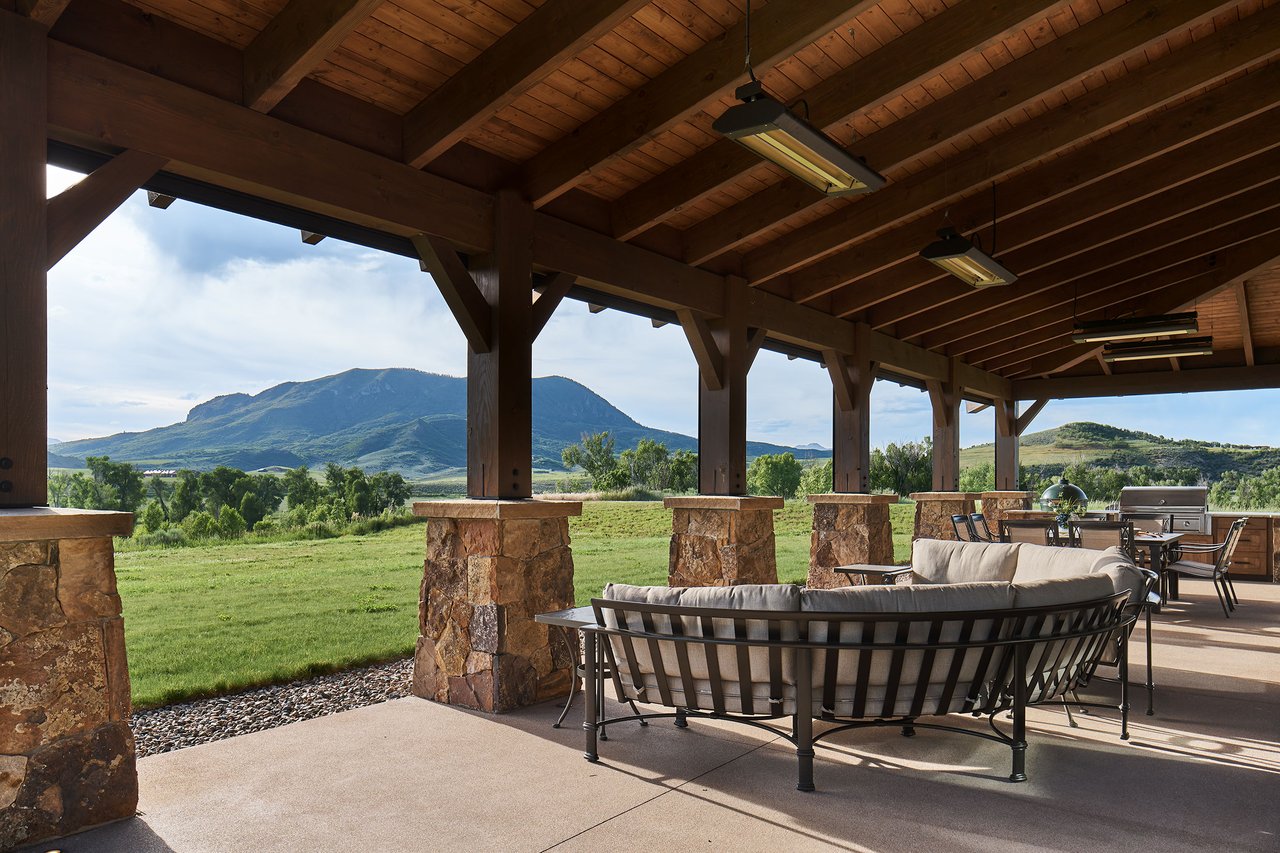
From private rooftop terraces to expansive decks with sweeping mountain views, these Steamboat properties turn outdoor space into the main event.
Real Estate
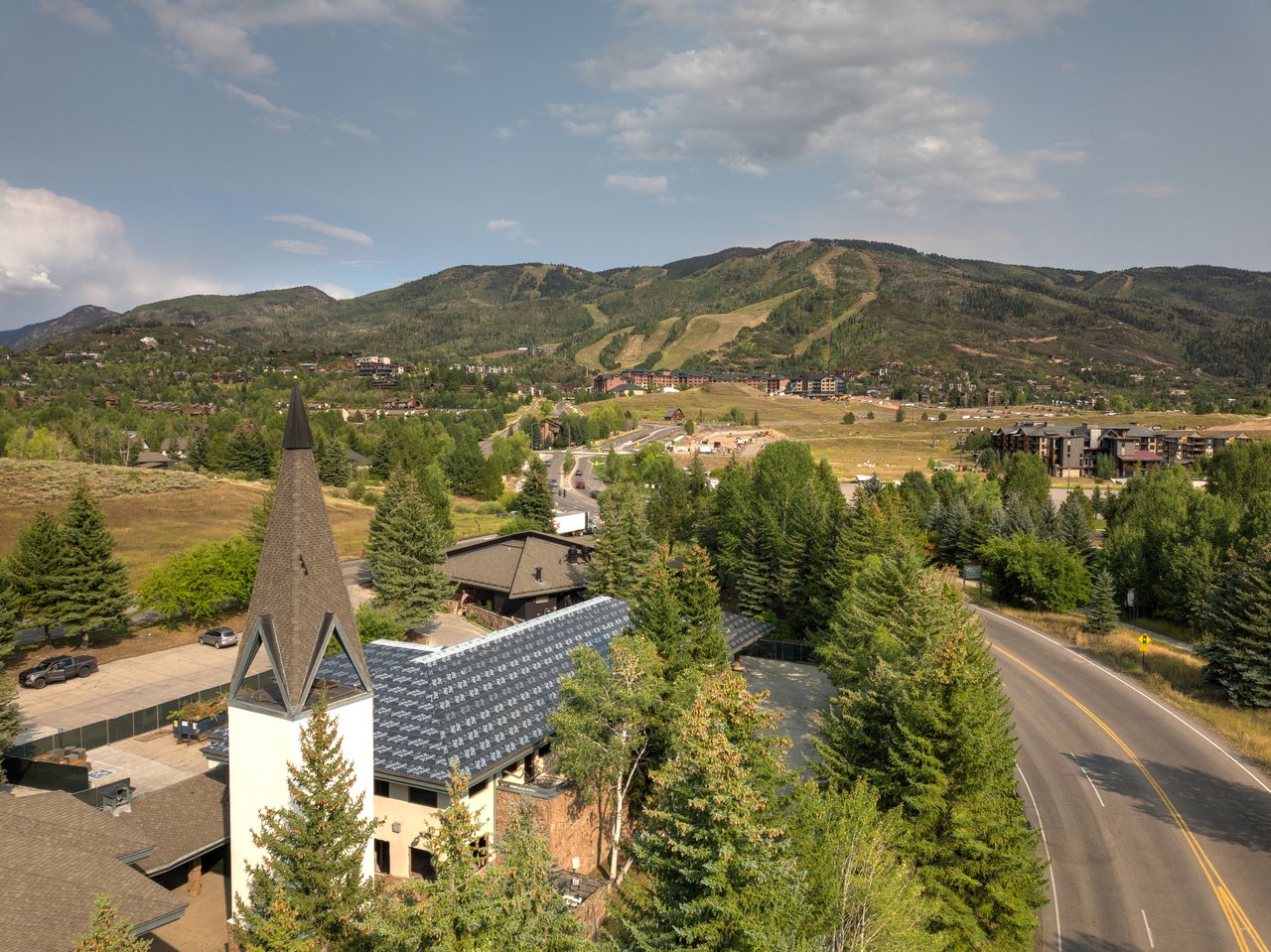
Construction is progressing quickly at 2155 Resort Drive, with the first residences now available and more on the way.
Real Estate
Nonstop service grows again in 2026/27 as Steamboat's air access keeps pace with an evolving market
Real Estate
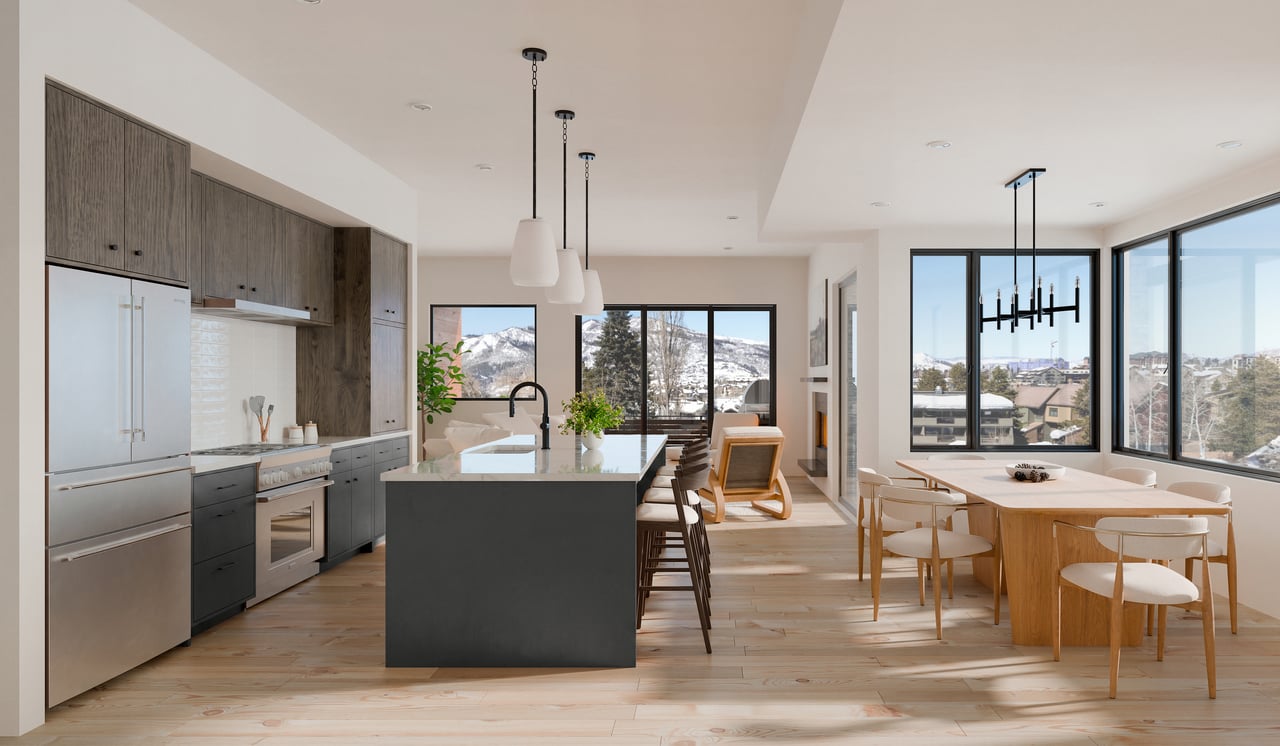
Two homes are under contract as construction progresses toward completion this winter

Lifestyle
From the resort's lift-served terrain to backcountry singletrack along the Elk River, a look at the trail systems shaping fall in Steamboat, and the homes positioned c… Read more
Real Estate
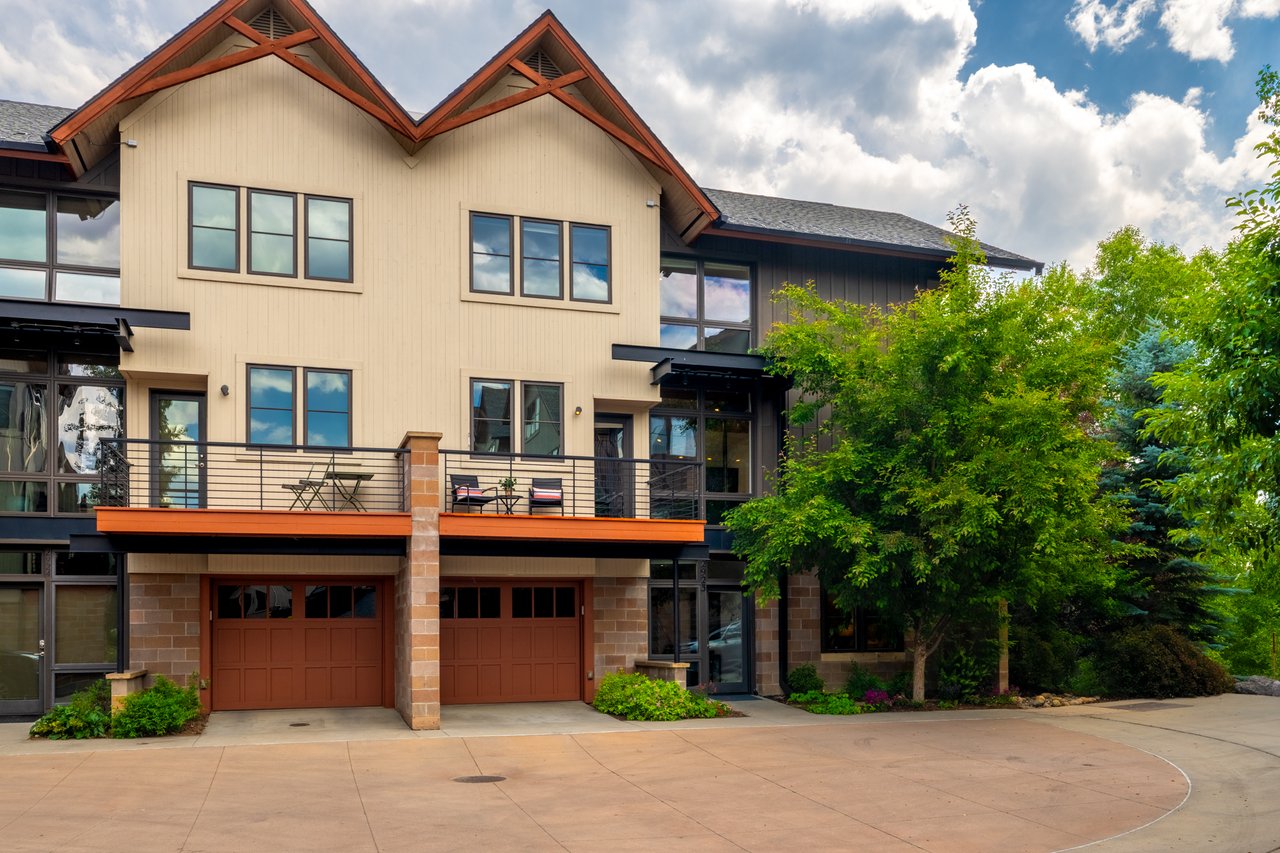
A look at current Green Zone listings, where nightly rentals are permitted, and what a recent tax law change adds to the equation.
Real Estate
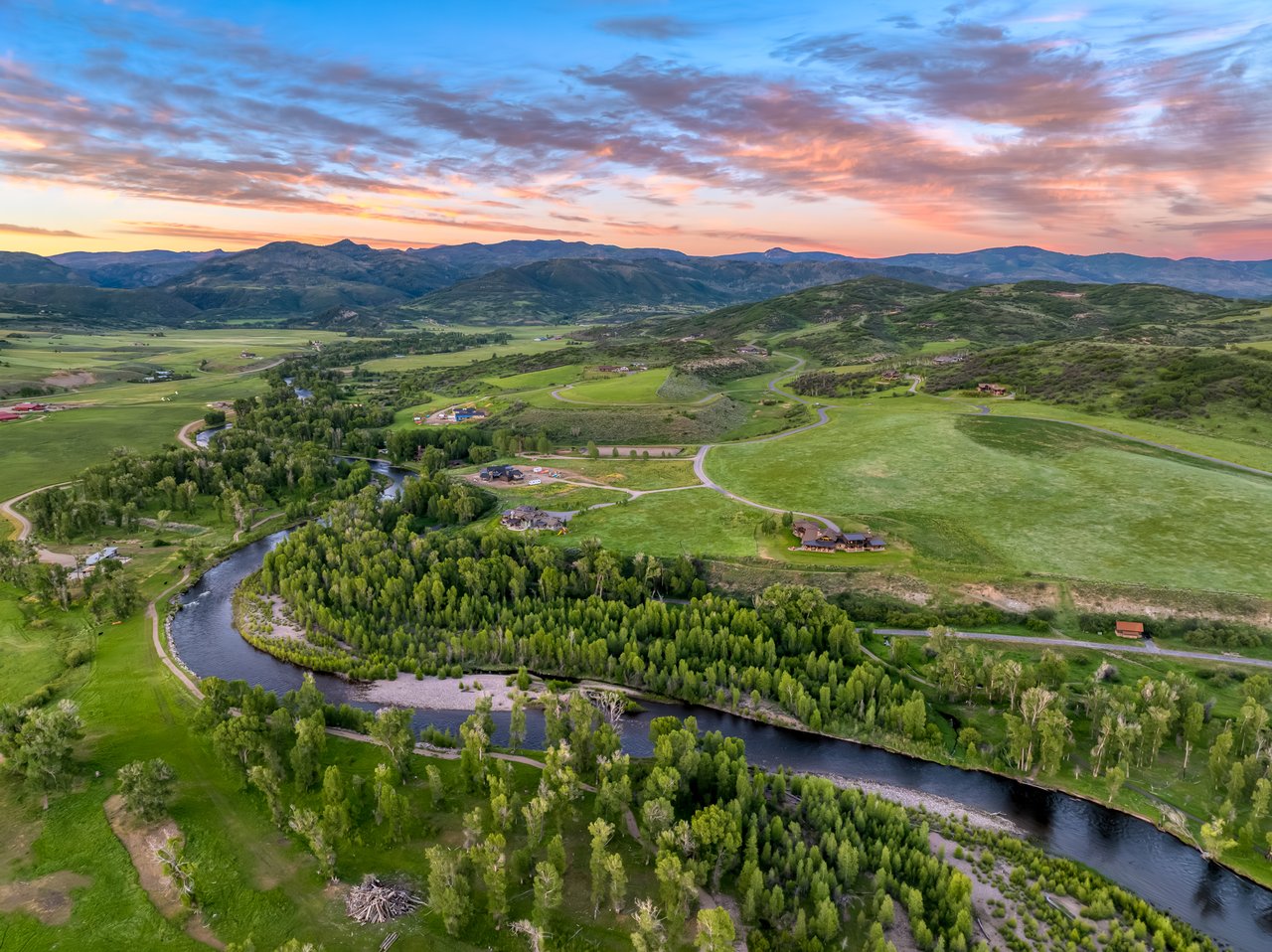
Four gated communities offer ranch ownership with resort amenities near the Steamboat Ski Area
Real Estate
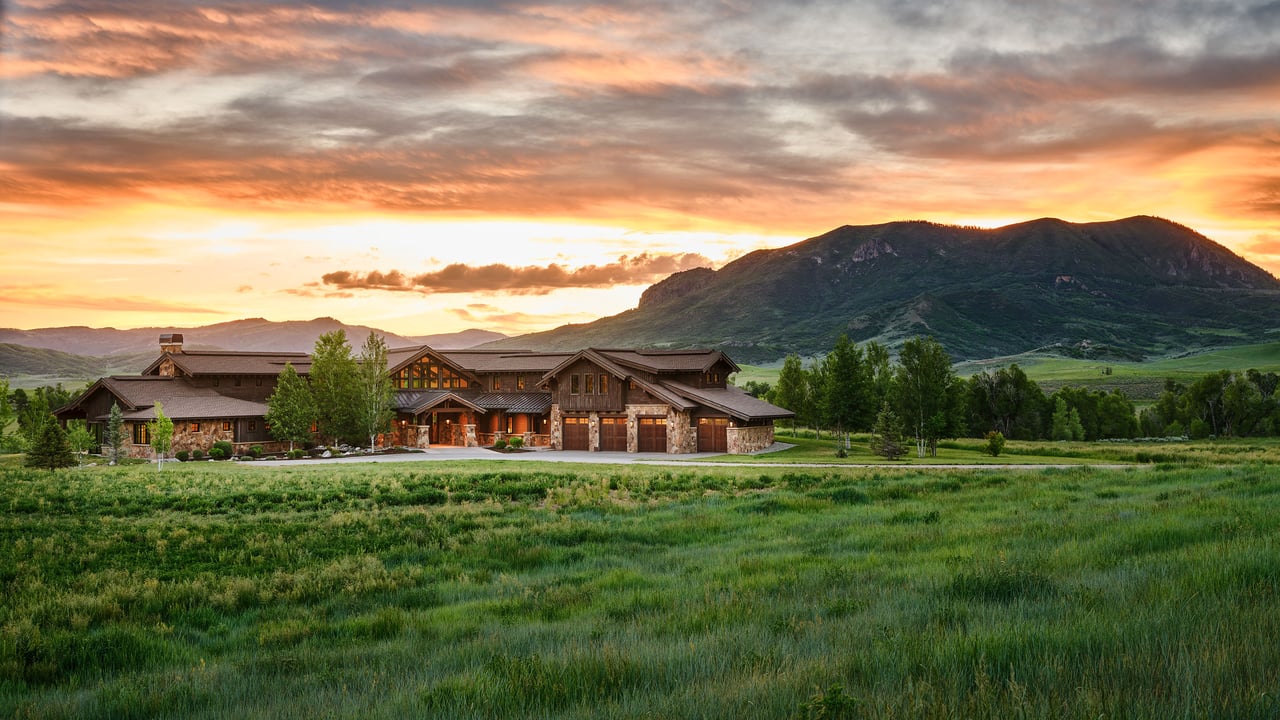
Valerie Stafford on the multi-year process behind Barn Owl's interiors, and the room it still leaves for whoever owns it next.
Real Estate
Ranch parcels, river frontage, and in-town lots ready to build.
Experience a level of service that goes beyond transactions. Reach out to our dedicated team today and discover how we combine local insights with innovative solutions to create exceptional real estate experiences in The Agency Steamboat Springs.