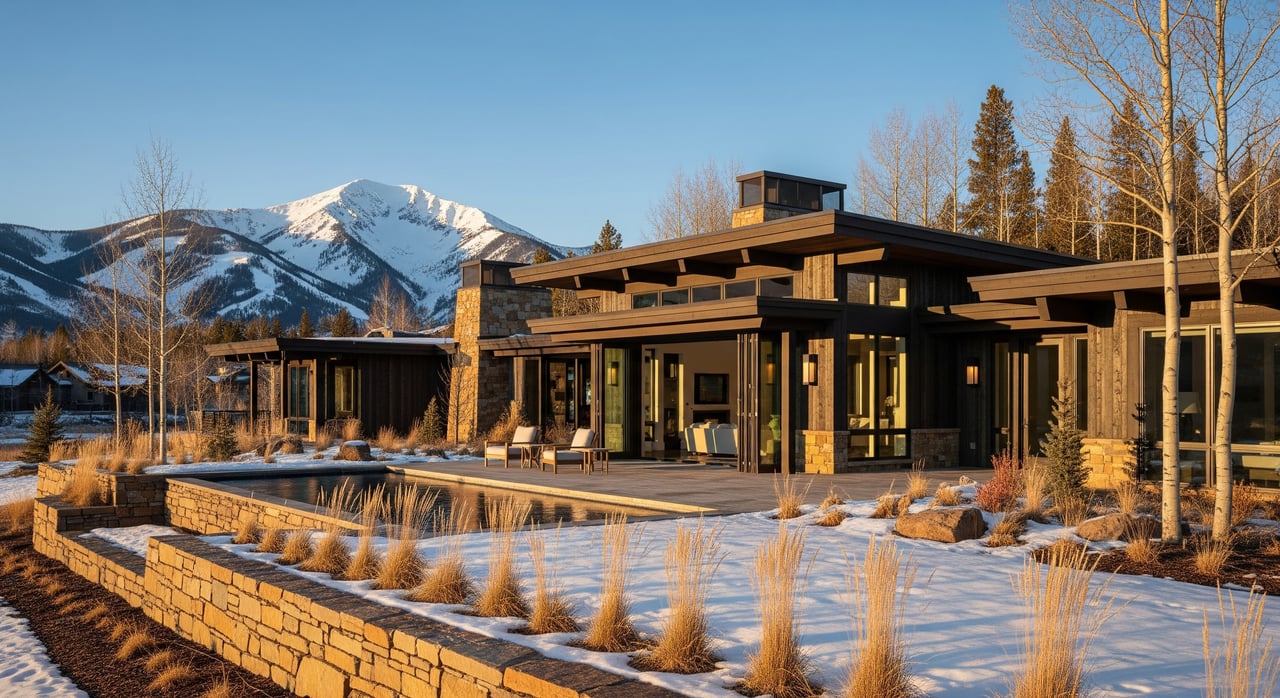
Steamboat Springs Property Types, Explained
November 28, 2025
November 28, 2025
Wondering which type of Steamboat Springs property truly fits how you want to live, vacation, or invest? In a mountain resort town where lifestyle and location drive value, the choices can feel both exciting and complex. This guide breaks down the most common property types you will see around town and in the county, plus the local rules and risks that shape each option. You will learn what to watch for with HOAs, short‑term rentals, wells and septic, wildfire, and more so you can move forward with confidence. Let’s dive in.
Before you focus on a property type, get clear on jurisdiction. Homes inside city limits follow city zoning, services, and any short‑term rental requirements, while unincorporated properties follow county rules. When in doubt, confirm with the City of Steamboat Springs Planning and Routt County Planning teams.
Short‑term rentals (STRs) are common near the ski area and in resort communities, but they are not guaranteed. Even if city or county rules allow STRs, the HOA can restrict or prohibit them. Always review HOA governing documents alongside municipal or county licensing and tax rules.
Winter, elevation, and terrain also shape ownership. Steamboat’s snow loads, steeper access roads, and wildfire exposure affect insurance, design choices, and maintenance needs. Floodplain overlays along the Yampa River and tributaries can influence permitting and insurance as well.
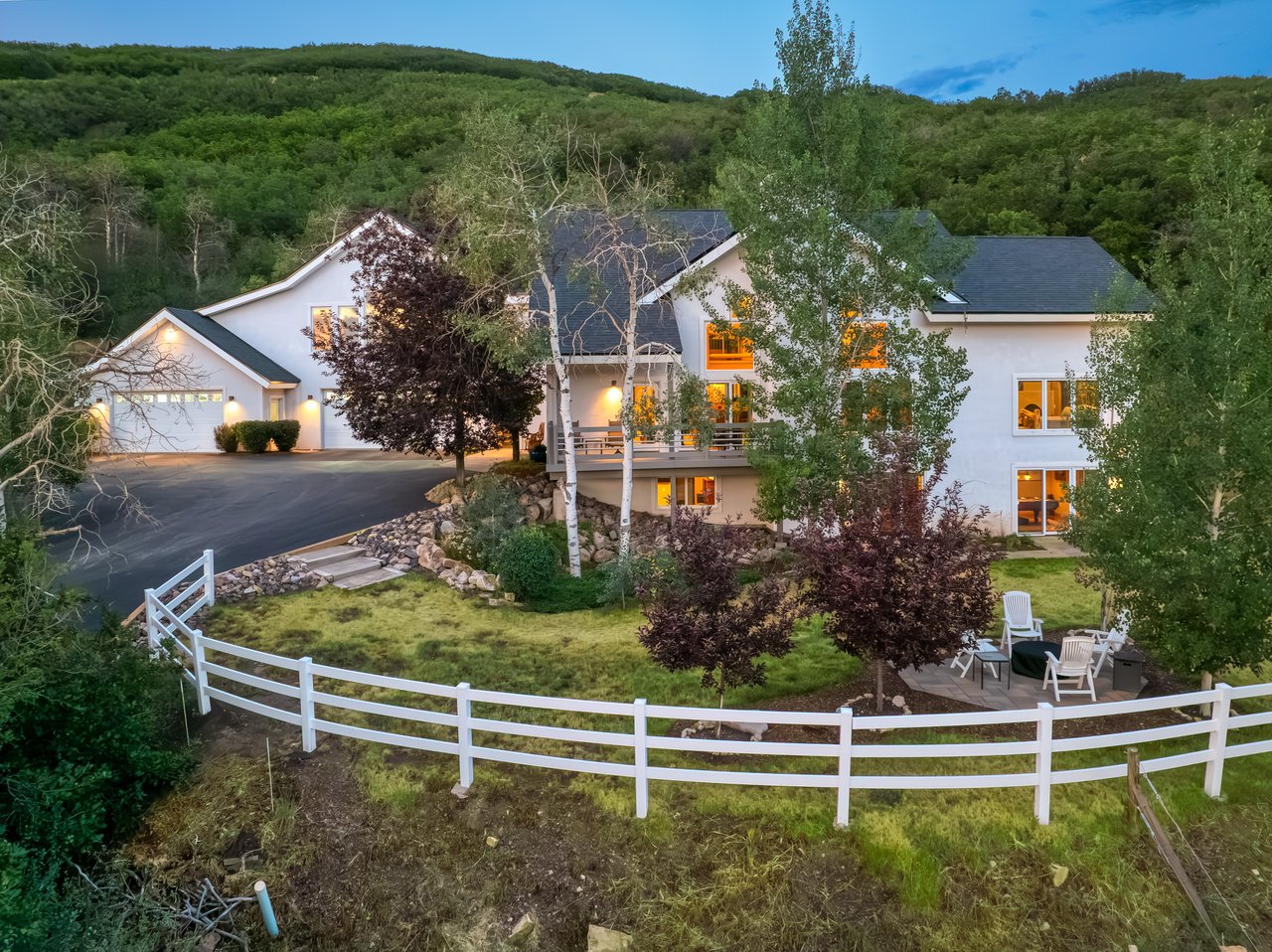
Single‑family detached homes range from modest in‑town houses to private mountain estates. In the city, you often have municipal water and sewer. In the county, many properties rely on wells and septic systems.
What to know:
Condos and townhomes cluster near the ski area base, downtown, and village settings. HOAs typically handle exterior maintenance, snow removal, and shared amenities. Fees and rules vary widely by building and neighborhood.
What to know:
These homes and condos sit near the lifts or offer direct ski access, commanding price premiums for location, views, and services. Some are within resort enclaves or special districts with added fees or taxes.
What to know:
Rustic cabins and older cottages deliver classic mountain character both in town and in nearby pockets. Many predate modern snow‑load and insulation standards.
What to know:
From infill city lots to large rural acreages, land selection hinges on access, slope, utilities, and environmental constraints. Rural parcels may need a well permit and on‑site septic approval.
What to know:
Duplexes, triplexes, and small apartment buildings appear in the city core and along main corridors. Demand for long‑term rentals is steady, and STRs can be viable in certain zones, subject to regulations.
What to know:
Factory‑built homes exist in parts of Routt County and select neighborhoods. Standards and placement depend on local zoning and state codes.
What to know:
Large acreage properties offer privacy, rural living, and potential agricultural use. Many sit in unincorporated Routt County with distinct tax classifications and water rights considerations.
What to know:
Steamboat supports deed‑restricted homes that preserve affordability for local workers. Purchase and resale follow strict eligibility and price‑cap rules.
What to know:
Water and sewer. Many county properties use wells and septic systems. Work with the county and state for permits and testing, and build realistic timelines into your plan.
Floodplain. If a property is near the Yampa River or a tributary, check the FEMA Flood Map Service Center to see if additional insurance or elevation work will be required.
Wildfire. Mitigation can influence insurance cost and availability. Get guidance from the Colorado State Forest Service and local fire districts, and factor defensible space into your budget and schedule.
Title. Review CC&Rs, HOA minutes, easements, and any mineral right reservations during due diligence. Ski‑area properties often have additional title elements tied to access and resort services.
Financing. Luxury and resort‑area properties often require jumbo loans and added documentation. If you plan to rent, lenders may ask for rental history or projections.
Insurance. Mountain construction standards and winter exposure can raise replacement costs. If the parcel is in a flood zone, lenders will likely require flood insurance.
Property taxes and assessments. Review tax history and any special districts that affect carrying costs. The Routt County Assessor offers parcel records and classifications that can help you plan.
Whether you are eyeing a ski‑in condo, an in‑town cottage, or a ranch in the valley, you deserve guidance that blends local knowledge with precise execution. If you want an expert read on value, risk, and marketability, connect with The Agency Steamboat Springs to schedule your private consultation.
Stay up to date on the latest real estate trends.
Real Estate
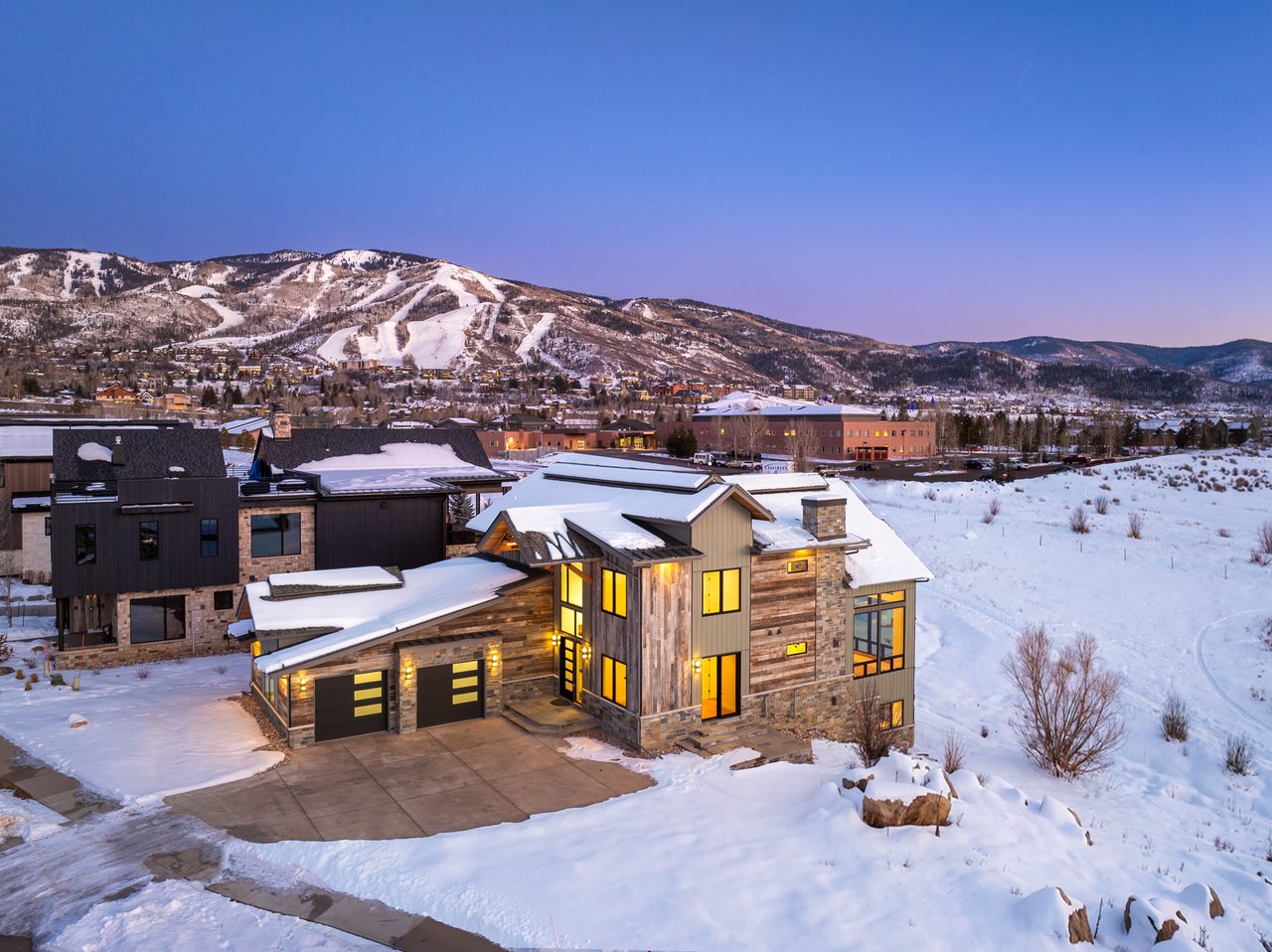
A thoughtfully designed new-build in Barn Village where architecture, views, and daily livability are fully aligned.
Storm Mountain Ranch
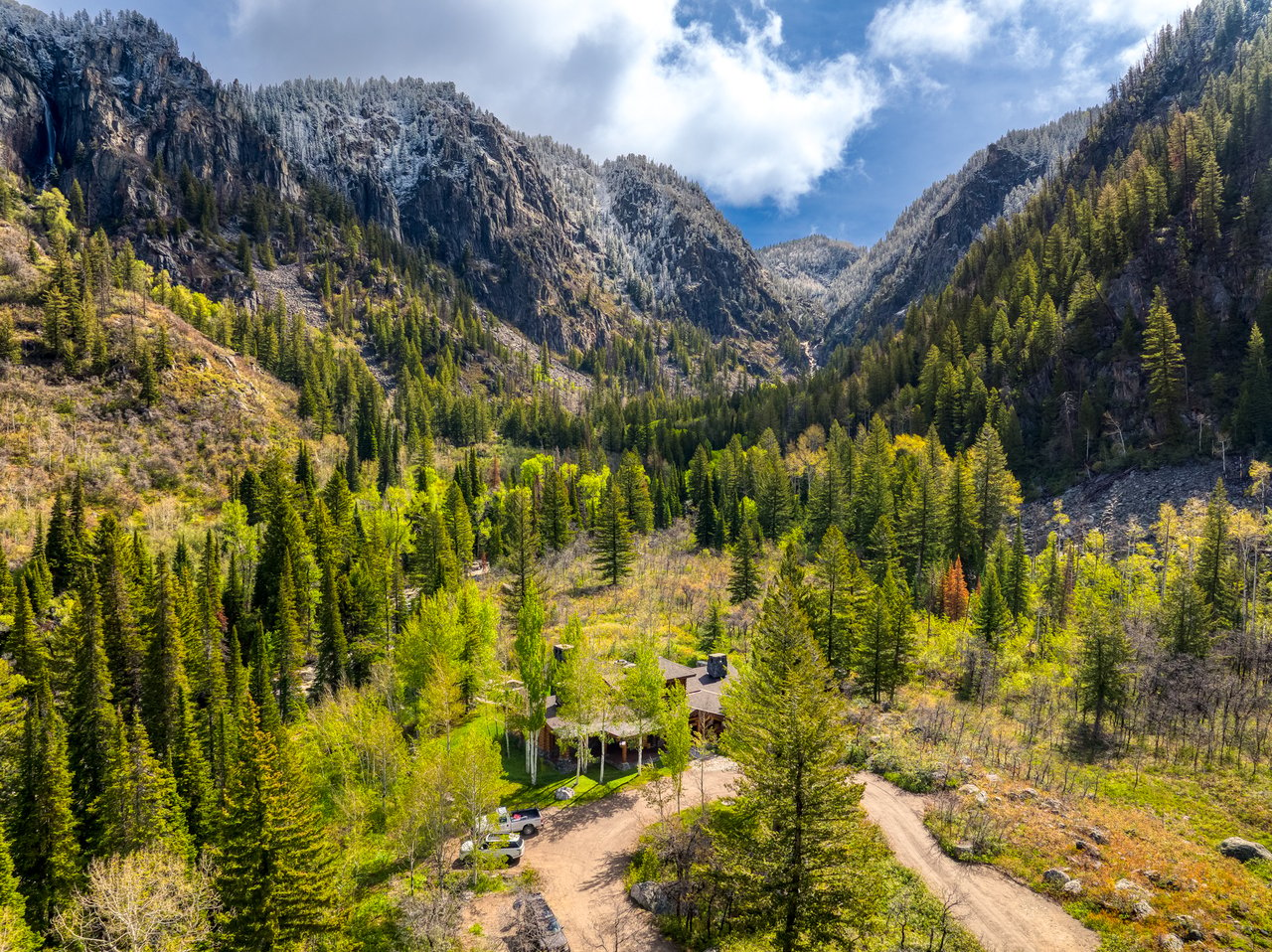
Properties where U.S. Forest Service boundaries and permanent conservation easements keep the land next door exactly as it is.
Northlight at Chutes Lane
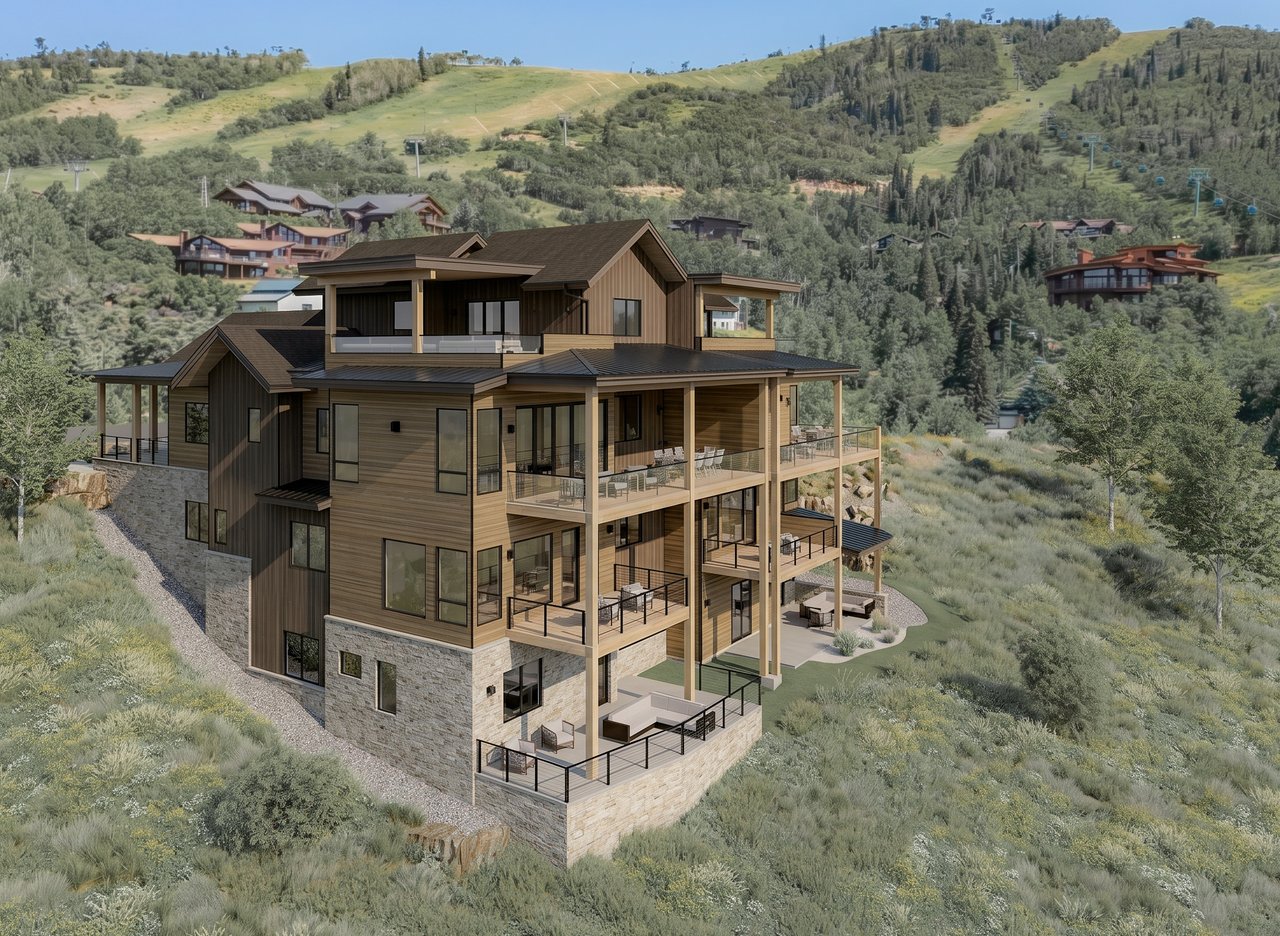
Architect Brian Adams and builder Sarah Fox on designing two custom ski-in/ski-out residences with rooftop terraces at Steamboat Resort.

Lifestyle
Two paths to keeping animals near Steamboat Springs: boarded care in a managed ranch community, or open acreage built for your own operation.
Real Estate
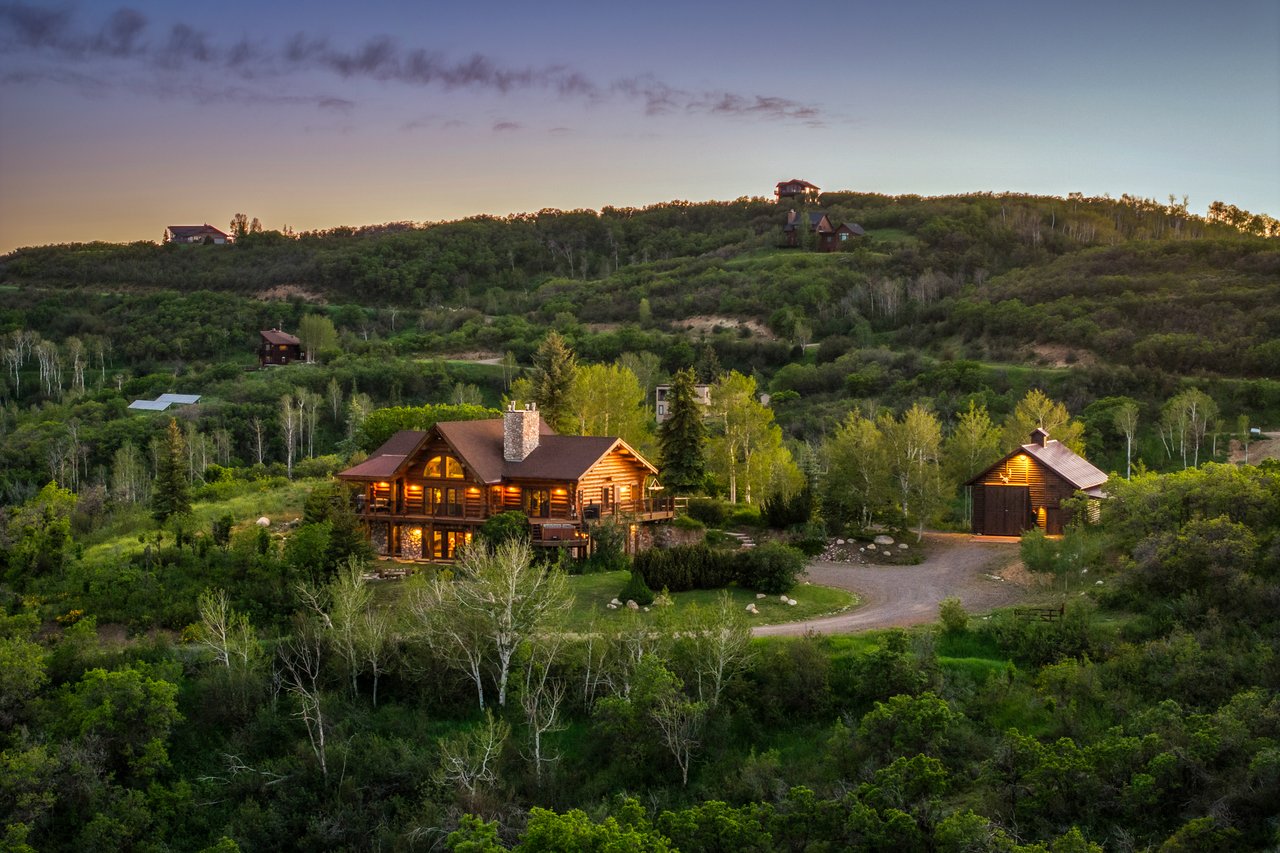
How a growing number of Steamboat buyers are trading mandatory dues and covenants for more control over cost and design.
Market Insight
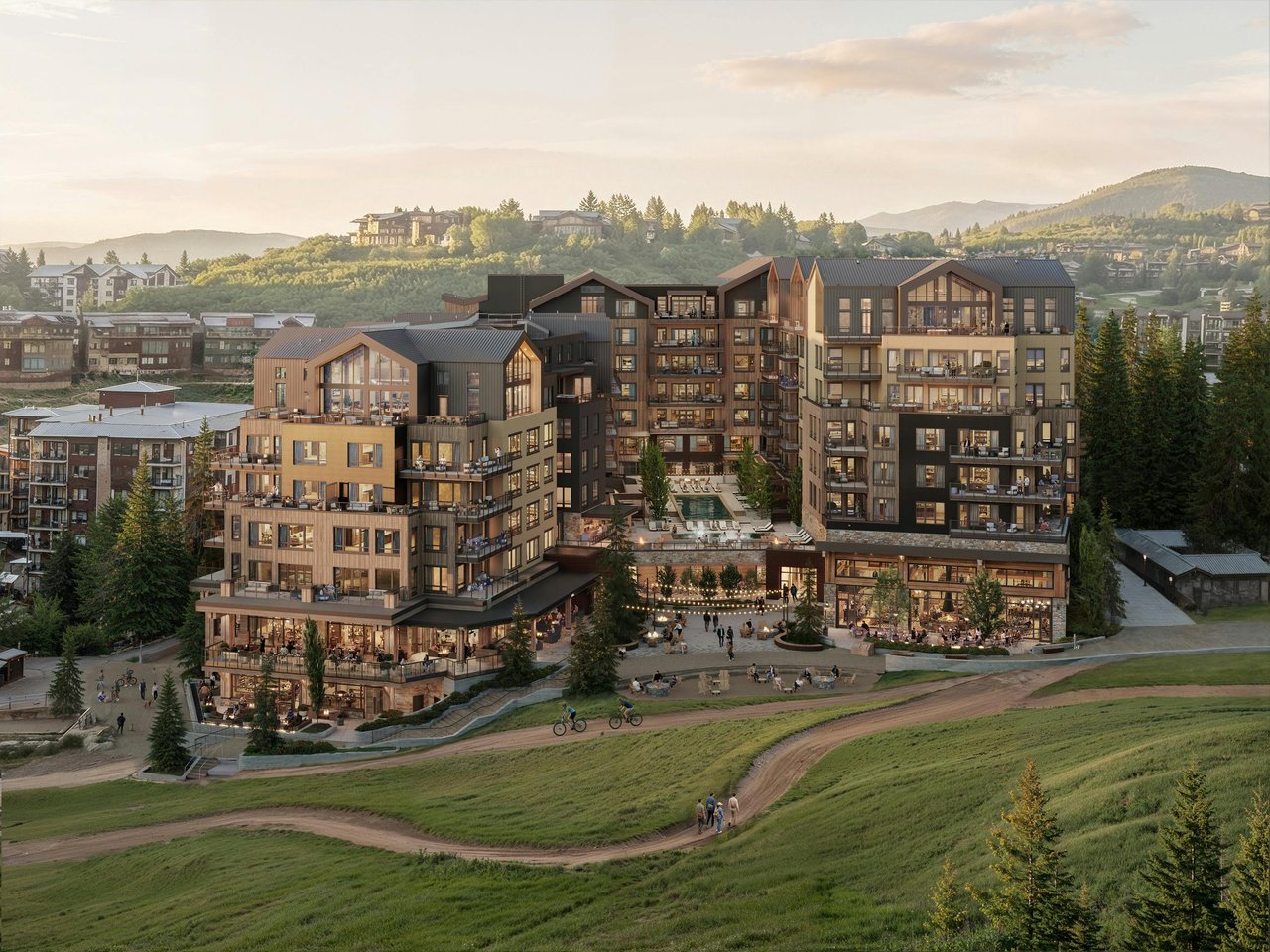
Construction is underway at the base of Steamboat Resort. Here's what the milestone means for the market.
Real Estate
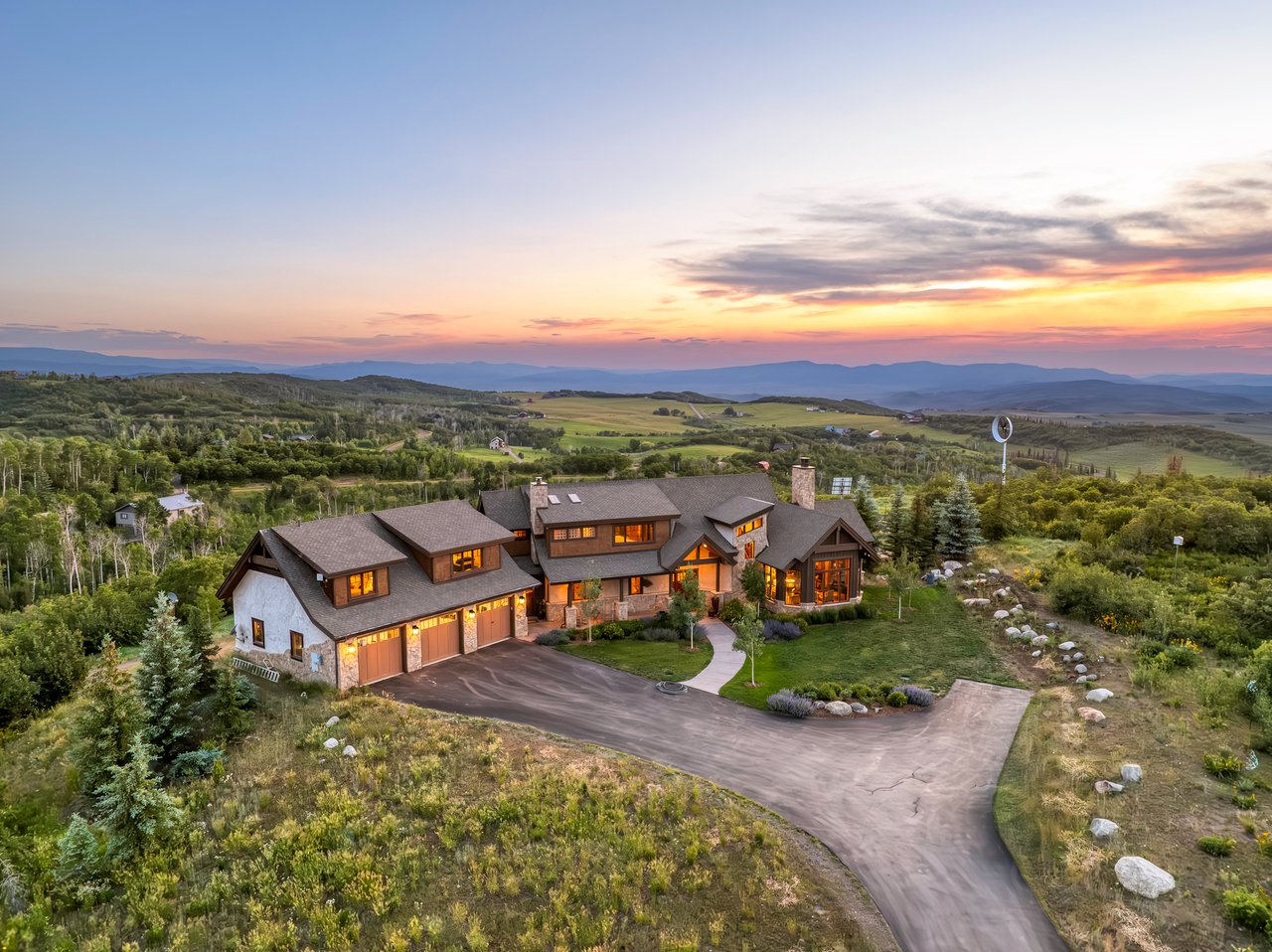
A conversation with owner Robert Dowski on engineering, entertaining, and building for long-term independence.
Real Estate
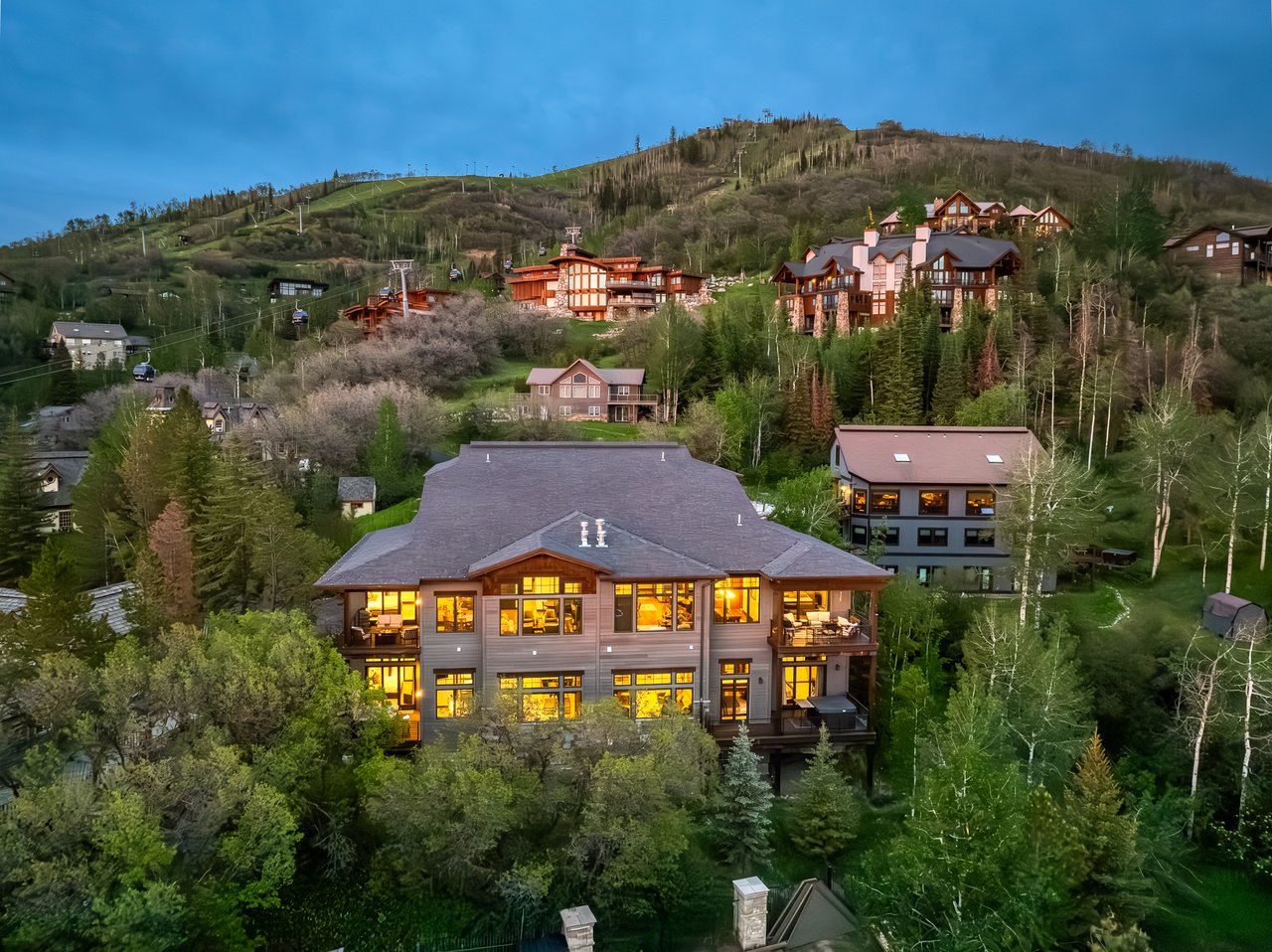
How Steamboat's mountain topography inspires homes that gain privacy, light, and views with every floor
Real Estate
Steamboat calls ADUs secondary units. Here's what that means for size, rentals, and where you can build one.
Experience a level of service that goes beyond transactions. Reach out to our dedicated team today and discover how we combine local insights with innovative solutions to create exceptional real estate experiences in The Agency Steamboat Springs.